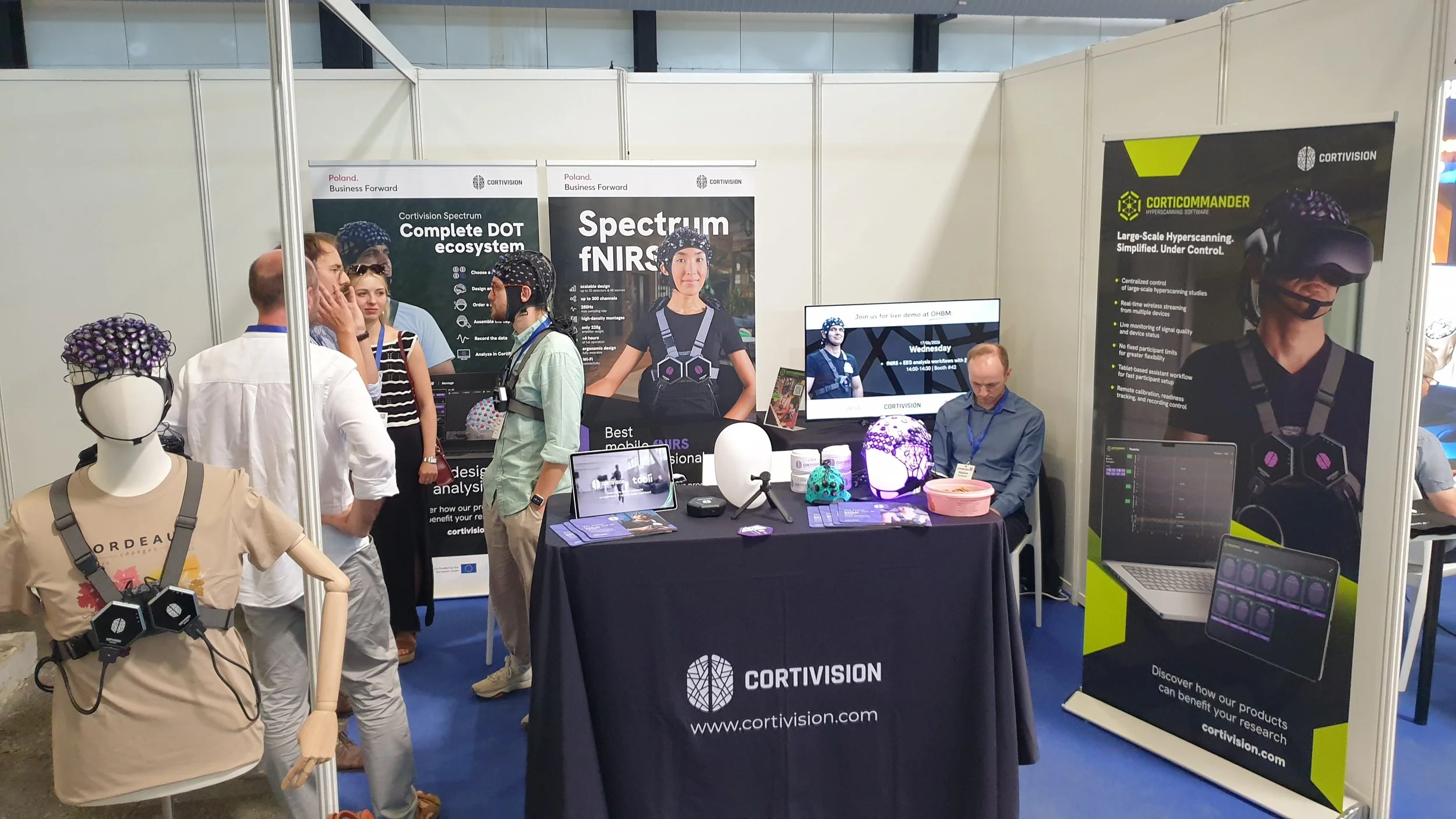
This year, Brainhack (11–13 June) and the Organization for Human Brain Mapping (OHBM) conference (14–18 June) took place in Bordeaux, France. Philipp from our lab attended both events.
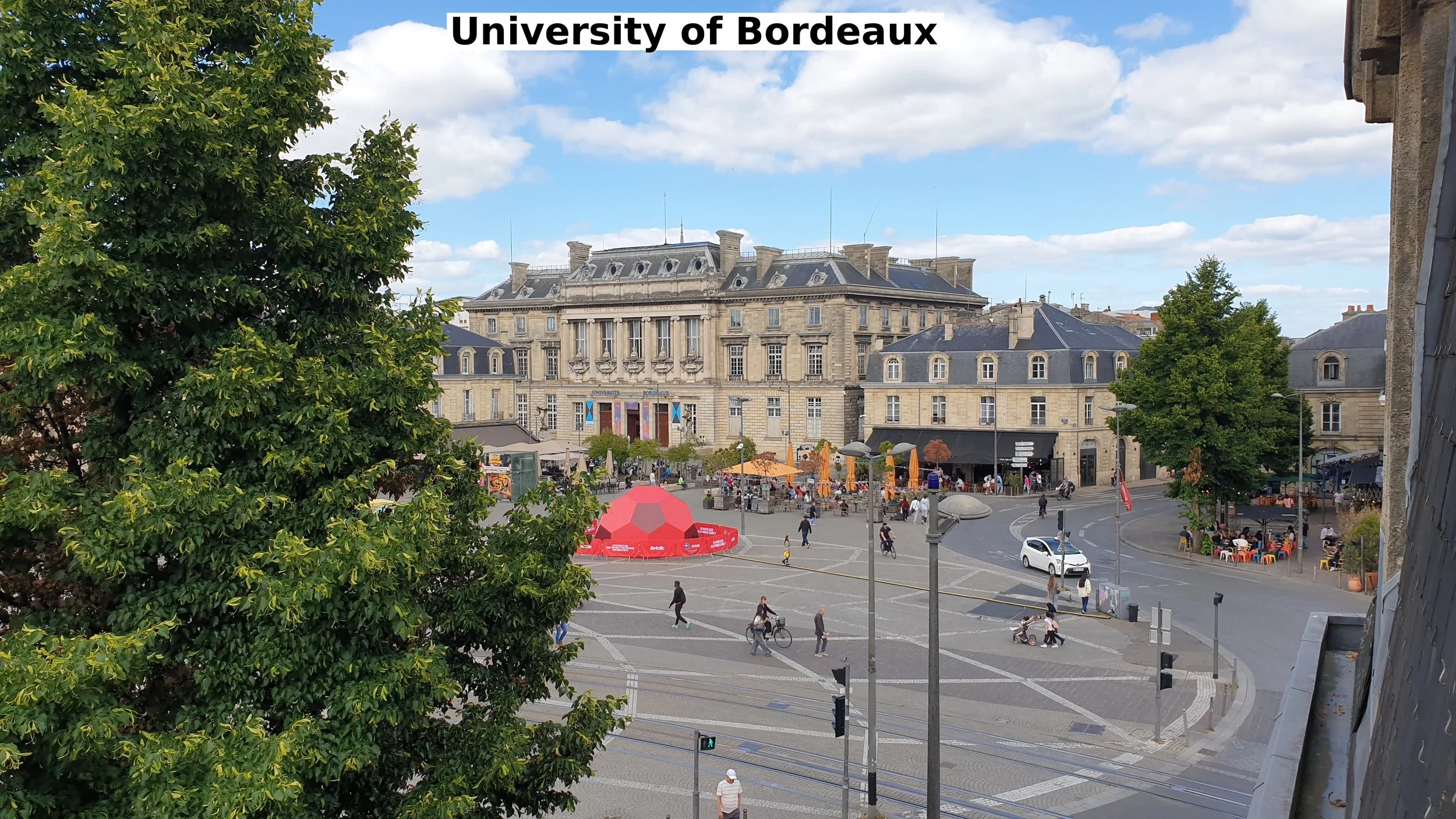
Brainhack was held at the University of Bordeaux, where neuroscience researchers delivered presentations and hands-on learning sessions focused on new and updated methods and tools for analyzing neuroimaging data.I think around 200 people attended the meeting
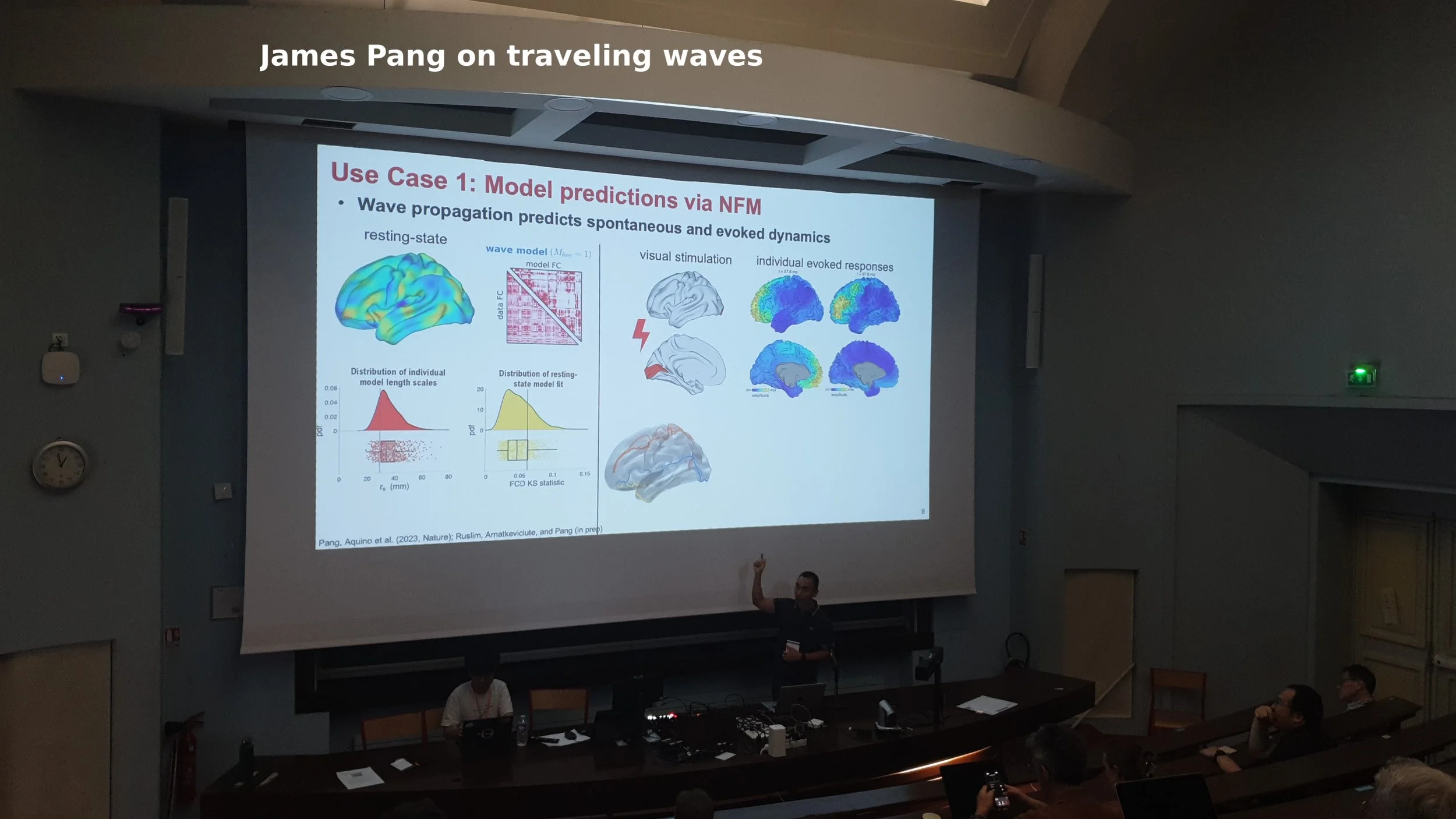
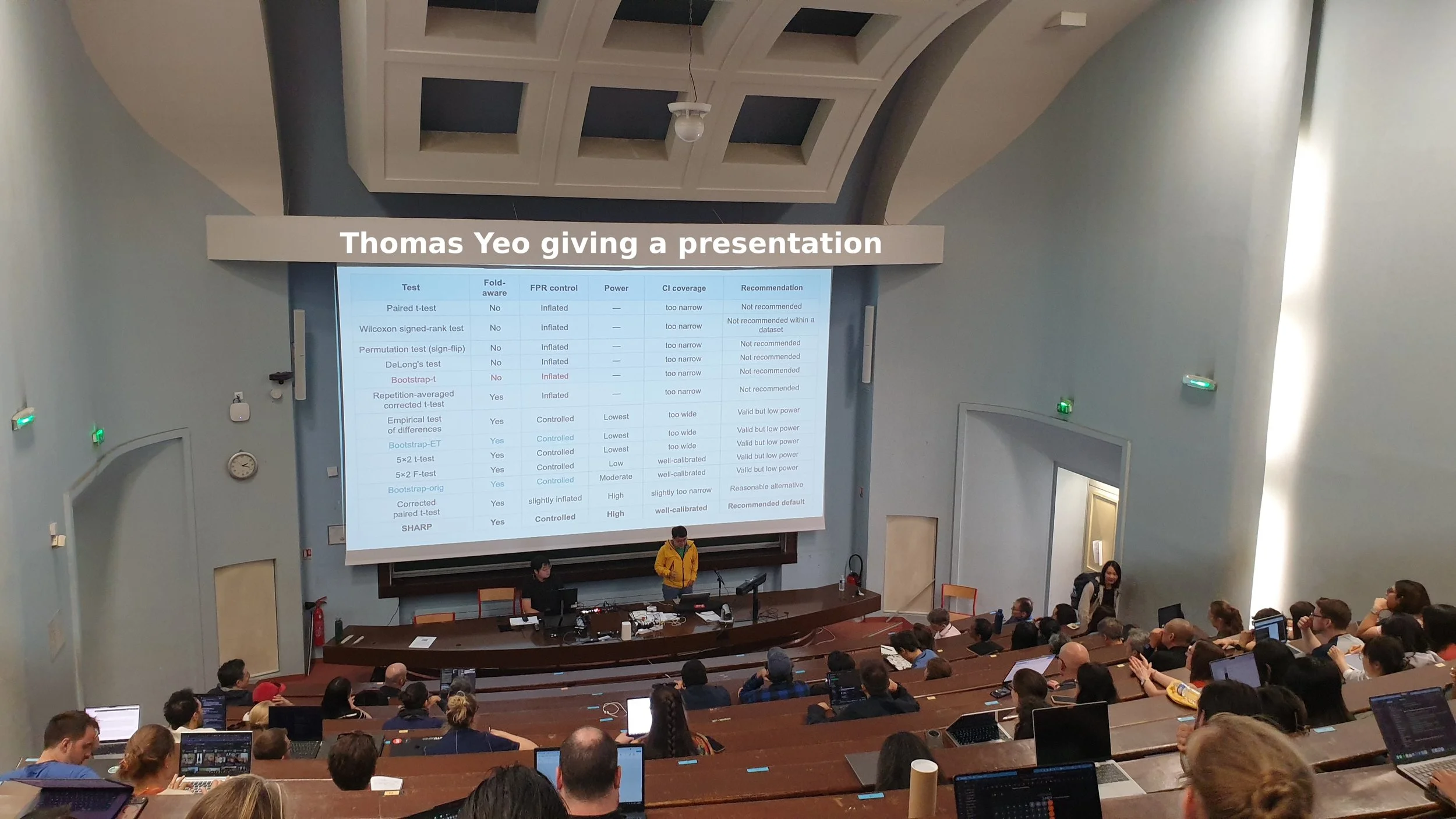
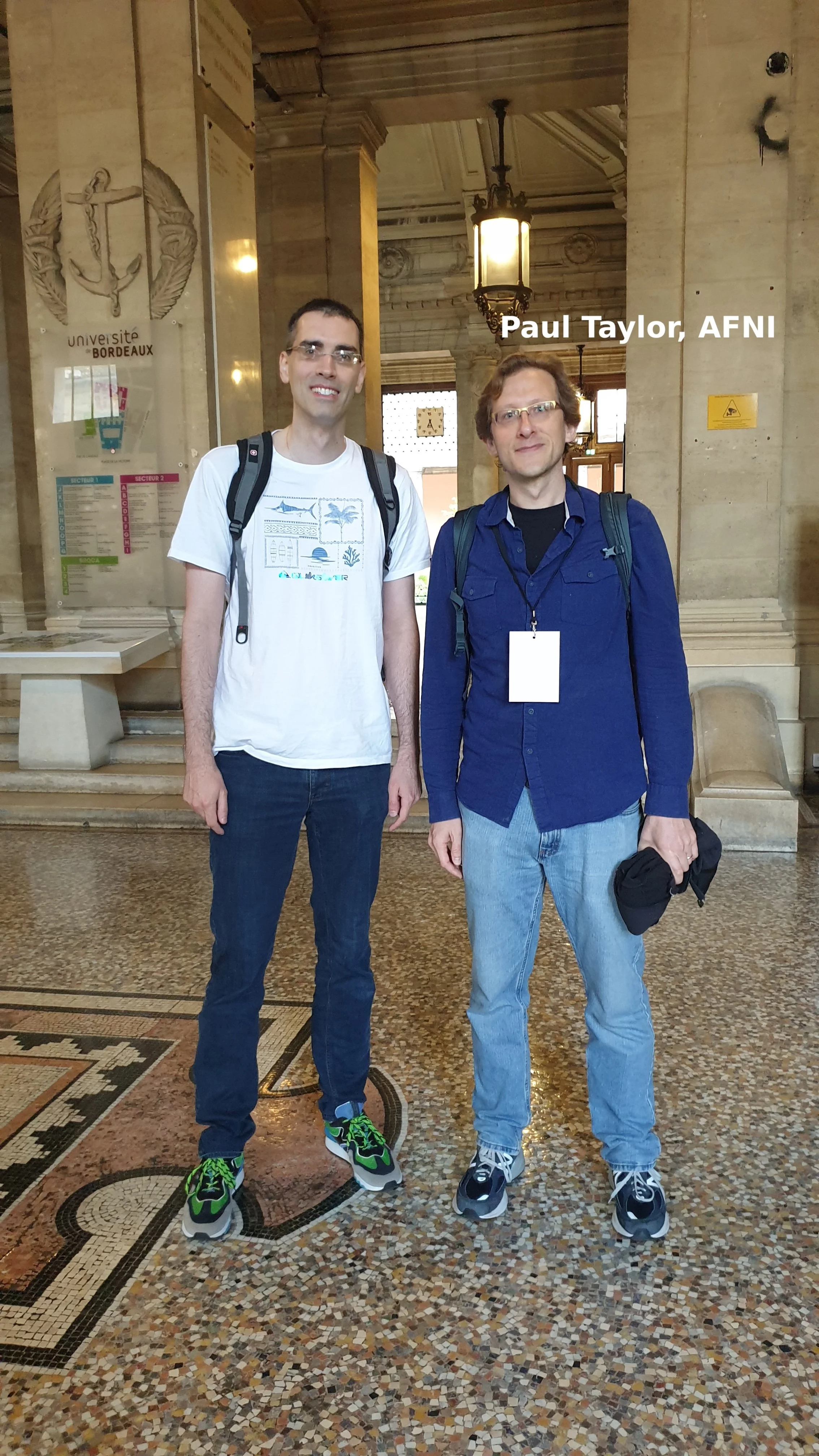
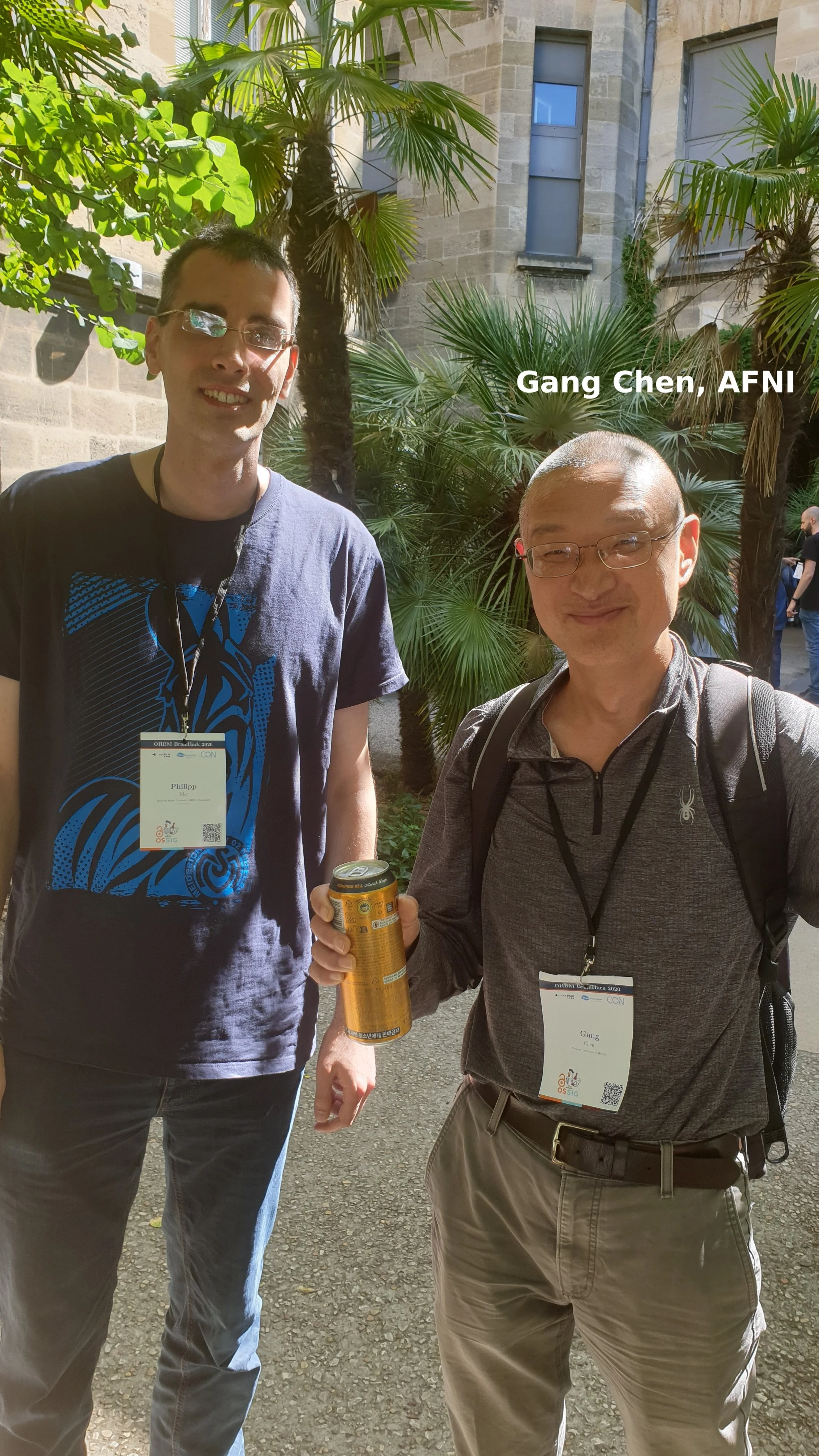
In addition to the many interesting talks and presentations, the event provided an excellent opportunity to meet colleagues who had previously only been known through online interactions. Among them were two members of the AFNI team (https://afni.nimh.nih.gov/), Paul Taylor and Gang Chen, who are pictured in the photos below.
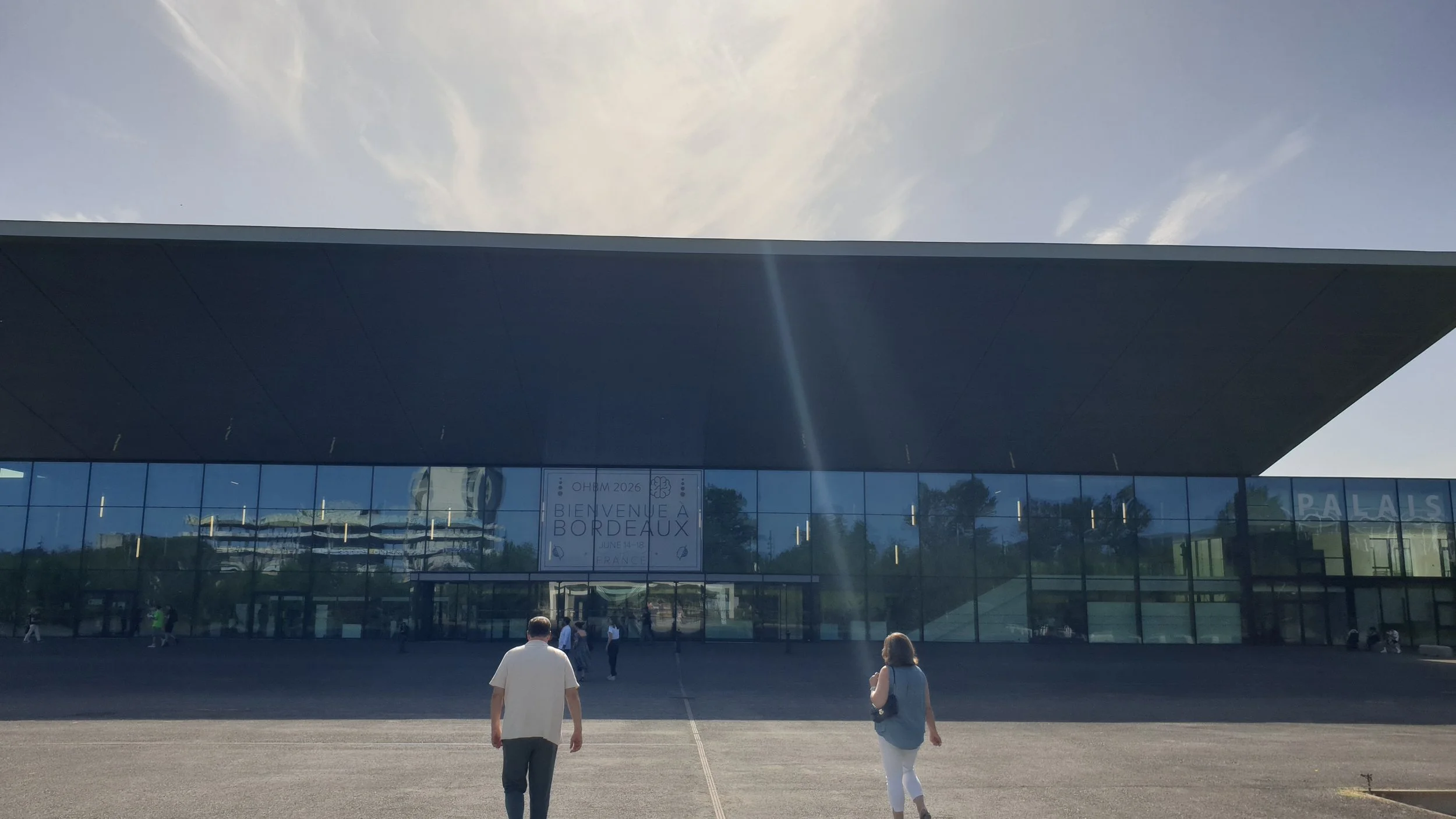
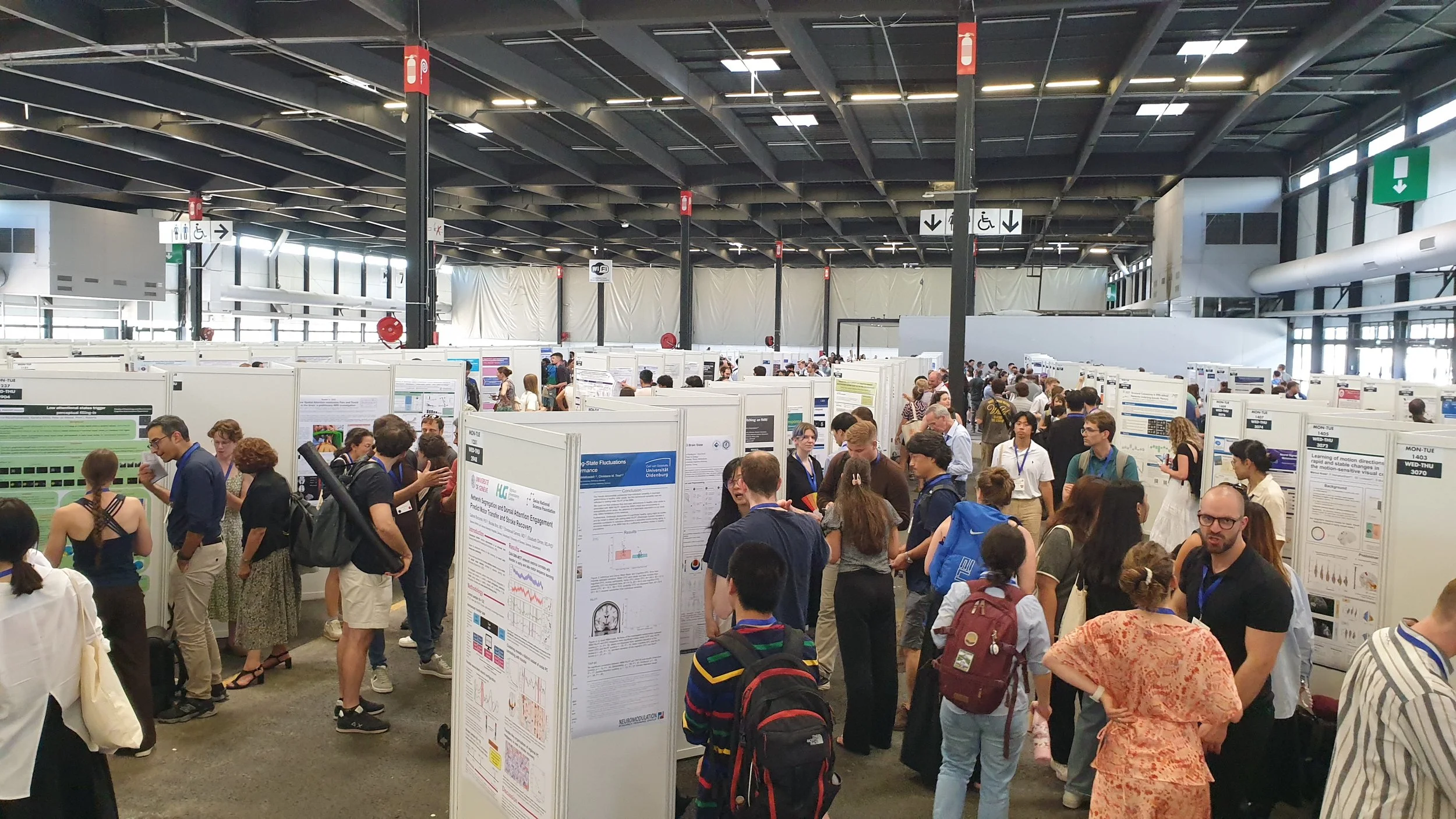
OHBM took place at the Palais 2 L’ Atlantique in the north of Boreadux, where our poster about sensory input tracking through fractal brain dynamics could also be found.
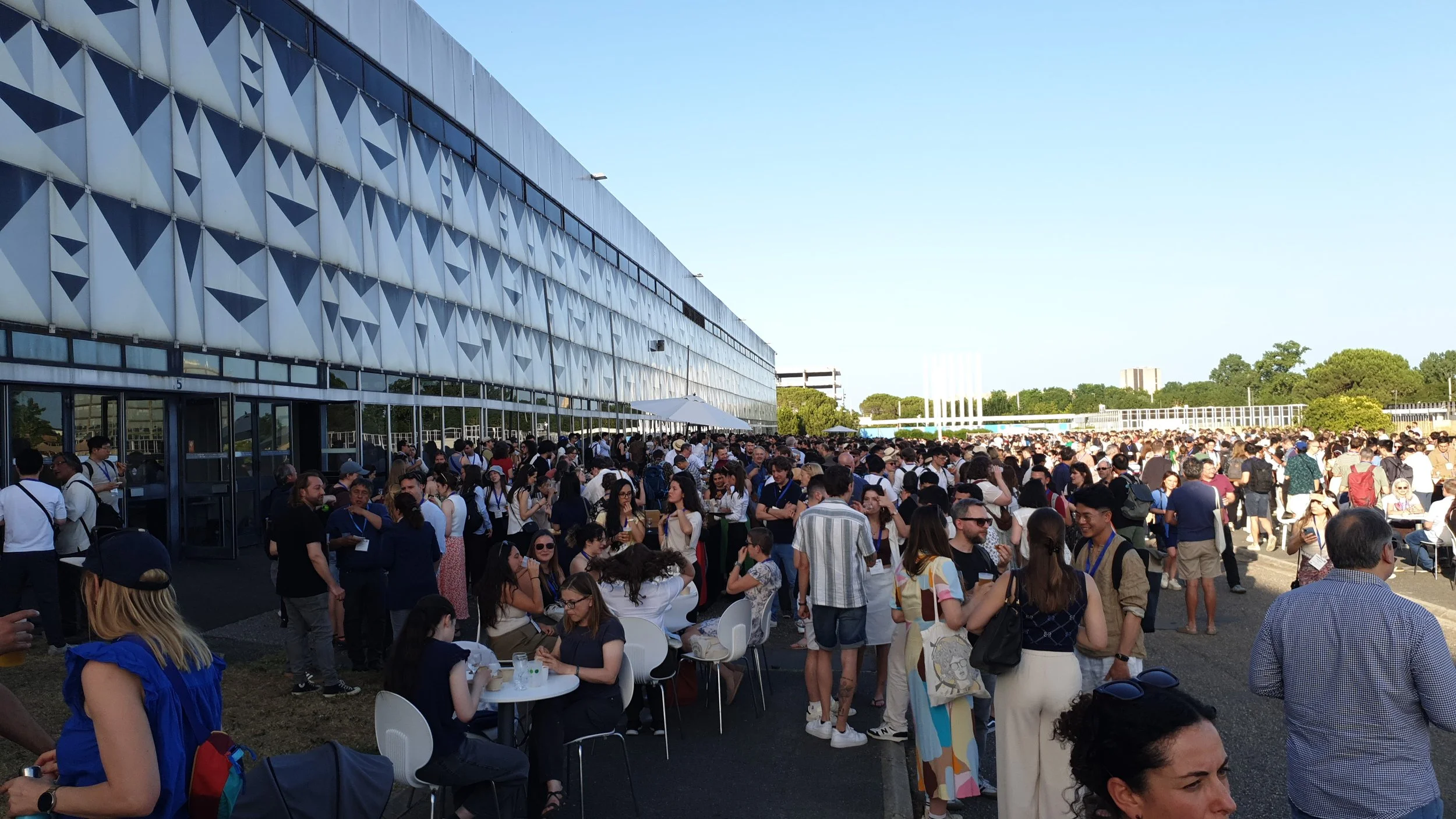
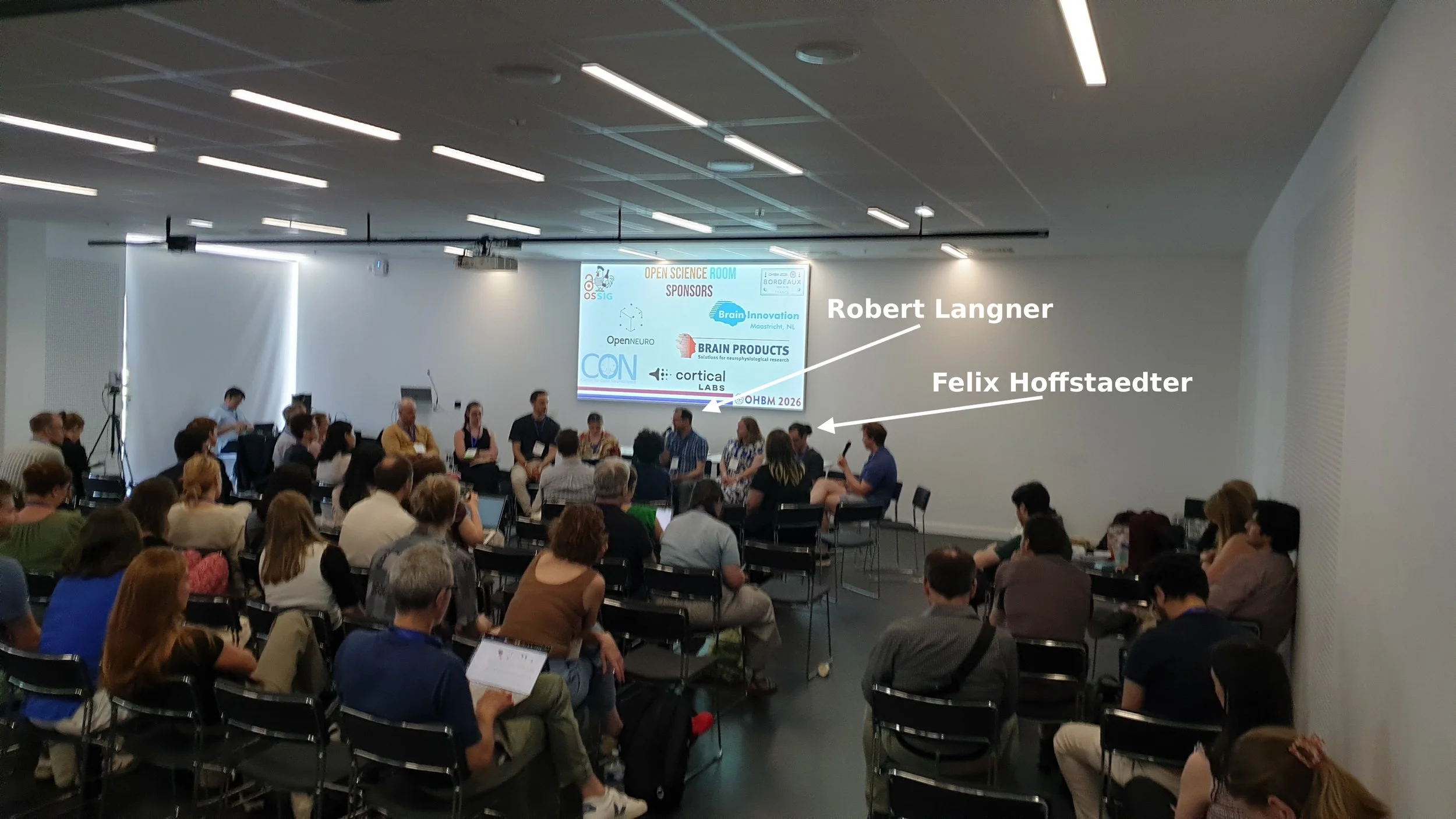
OHBM featured a diverse program that included keynote lectures, oral presentations, poster sessions, and specialized topic-focused talks. As several sessions took place concurrently in different rooms, participants could select the topics they wished to attend based on their interests. Two of Philipp’s colleagues, Dr. Robert Langner and Dr. Felix Hoffstaedter, also gave presentations at the conference
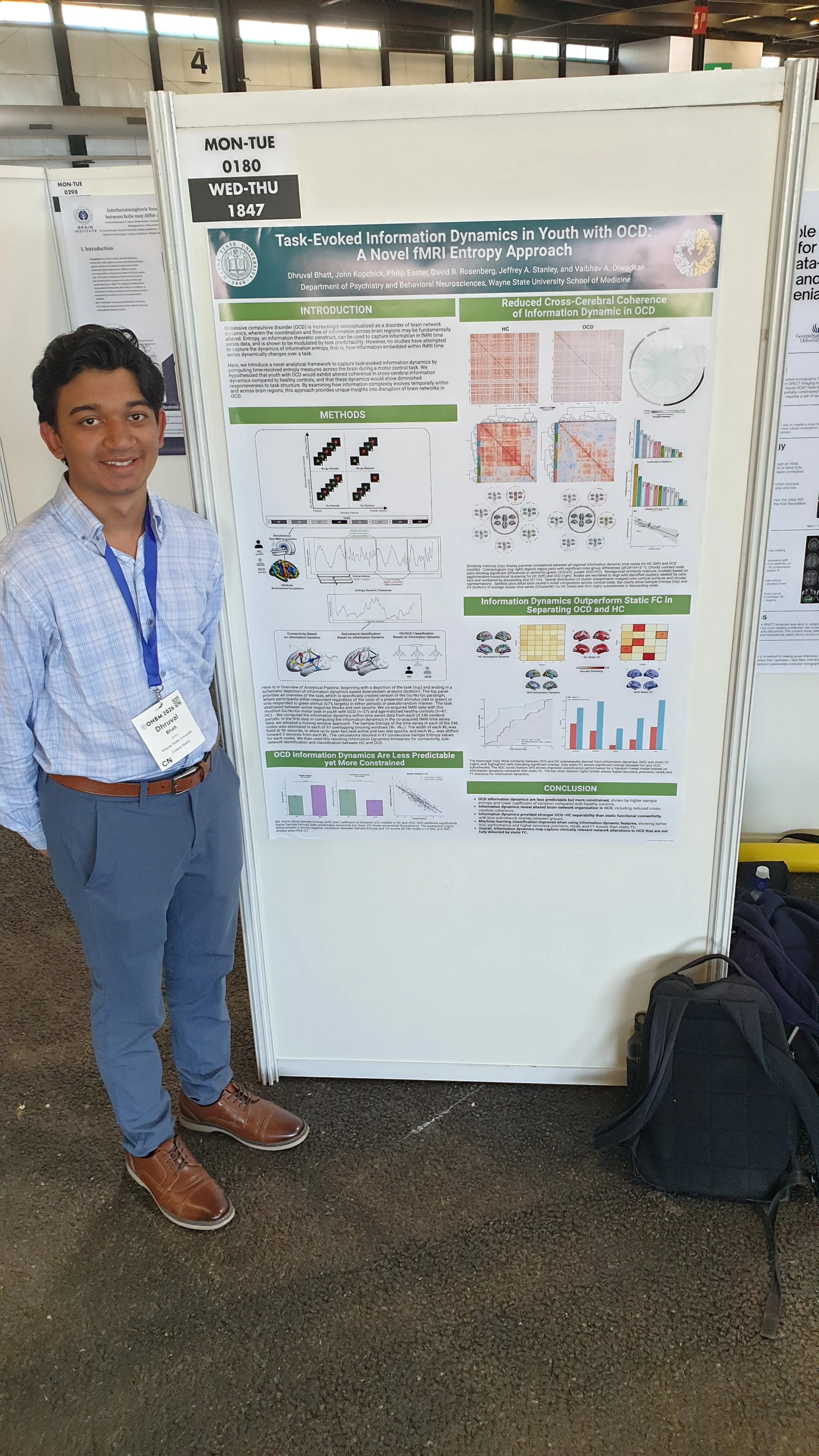
Dhruvall Bhatt (Wayne State University, USA) presented a highly interesting fMRI analysis using a sliding-window Sample Entropy approach. The methodology was very similar to the types of analyses we frequently perform in our lab, yet such work is rarely presented at OHBM. It was a particularly interesting poster.
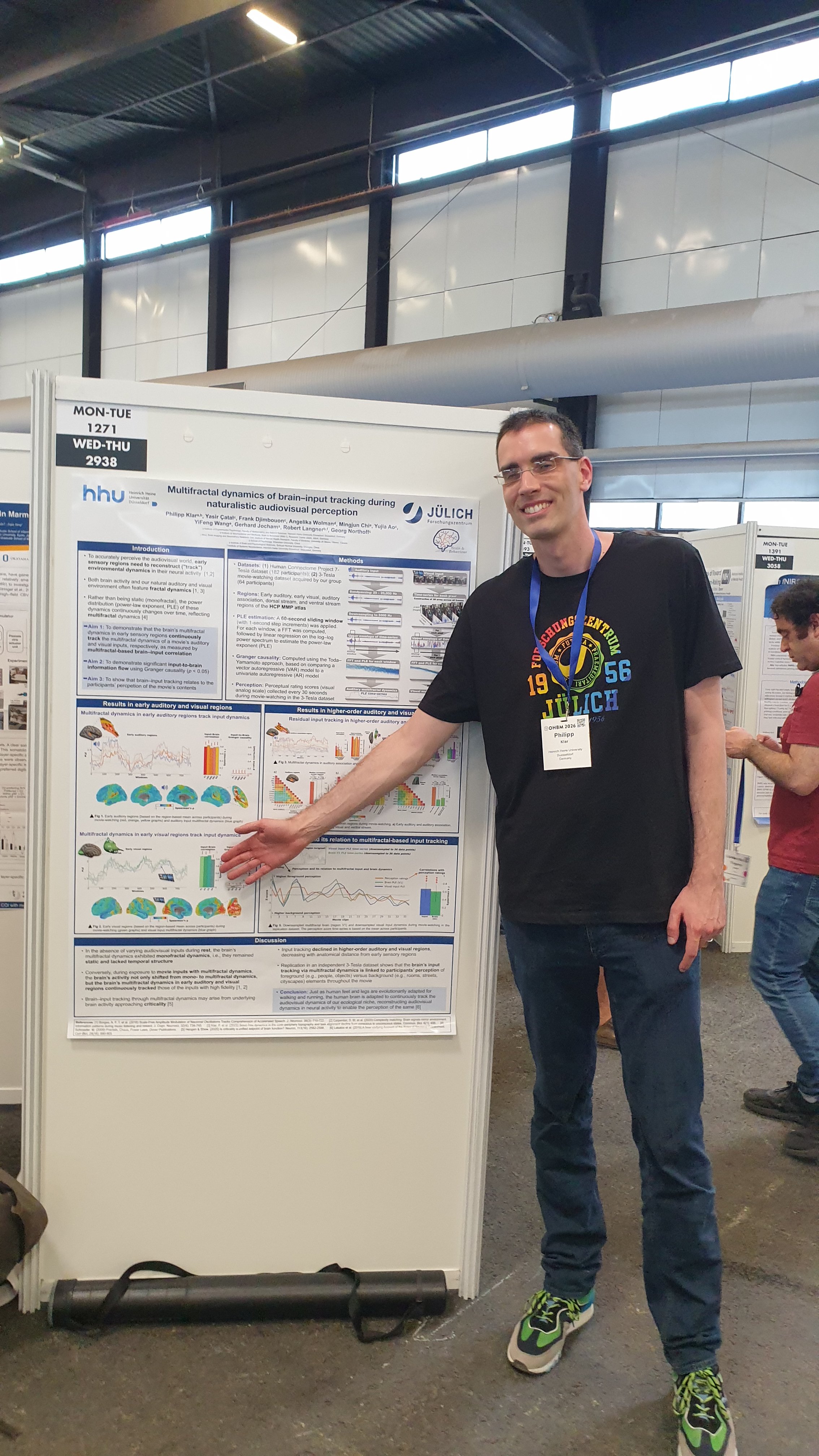
Philipp presented our lab’s work on how the brain tracks naturalistic sensory input, demonstrating that the brain’s fractal (scale-free) dynamics continuously track and align with the evolving fractal dynamics of a movie’s auditory and visual signals (measured with fMRI).
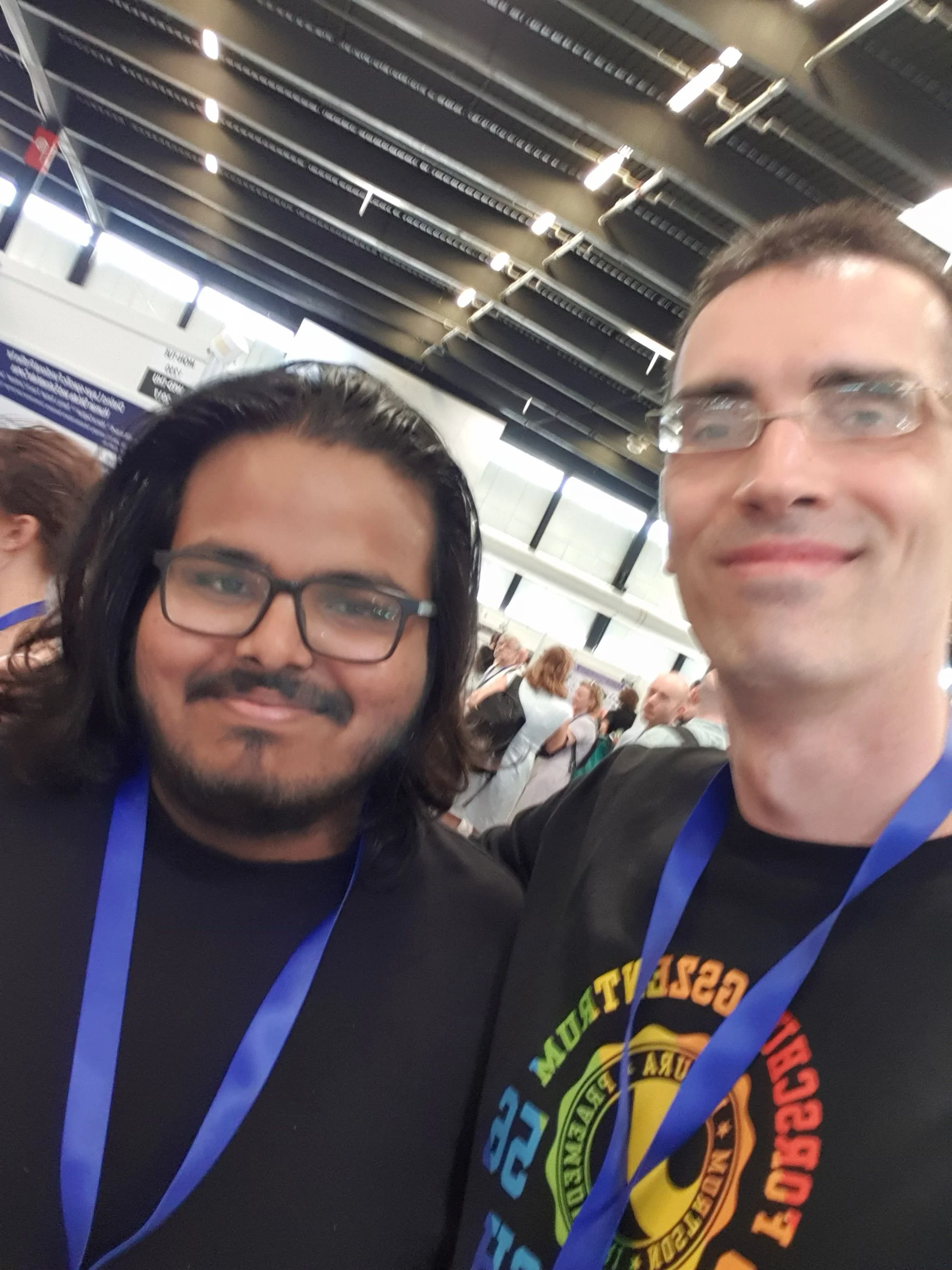
Out of the blue, I (Philipp) received an email from Saket Kumar, a former member of our lab. He told me that he had seen my poster and asked whether I was attending the conference. We ended up meeting at my poster, and it was great to meet Saket in person for the first time.
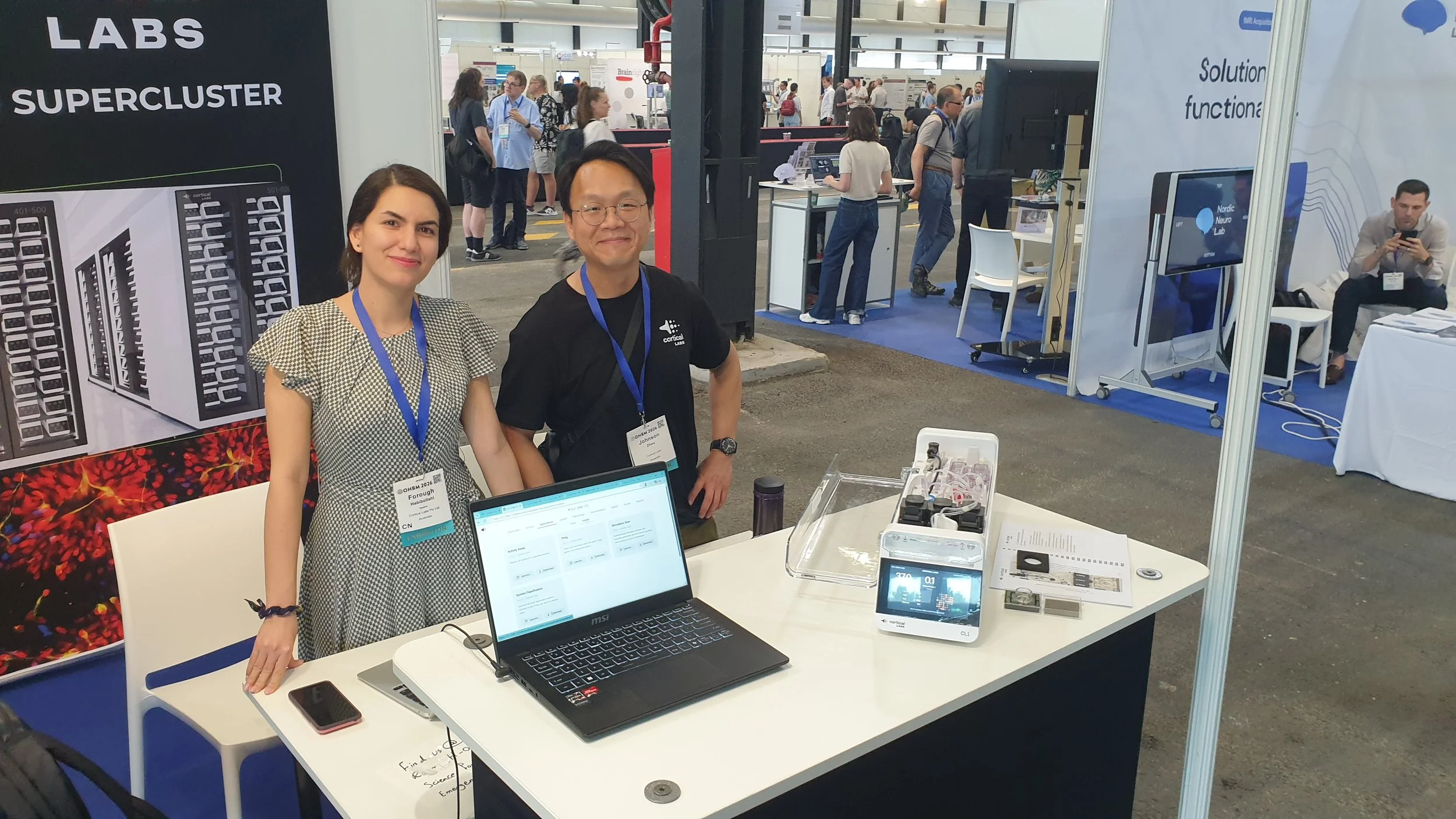
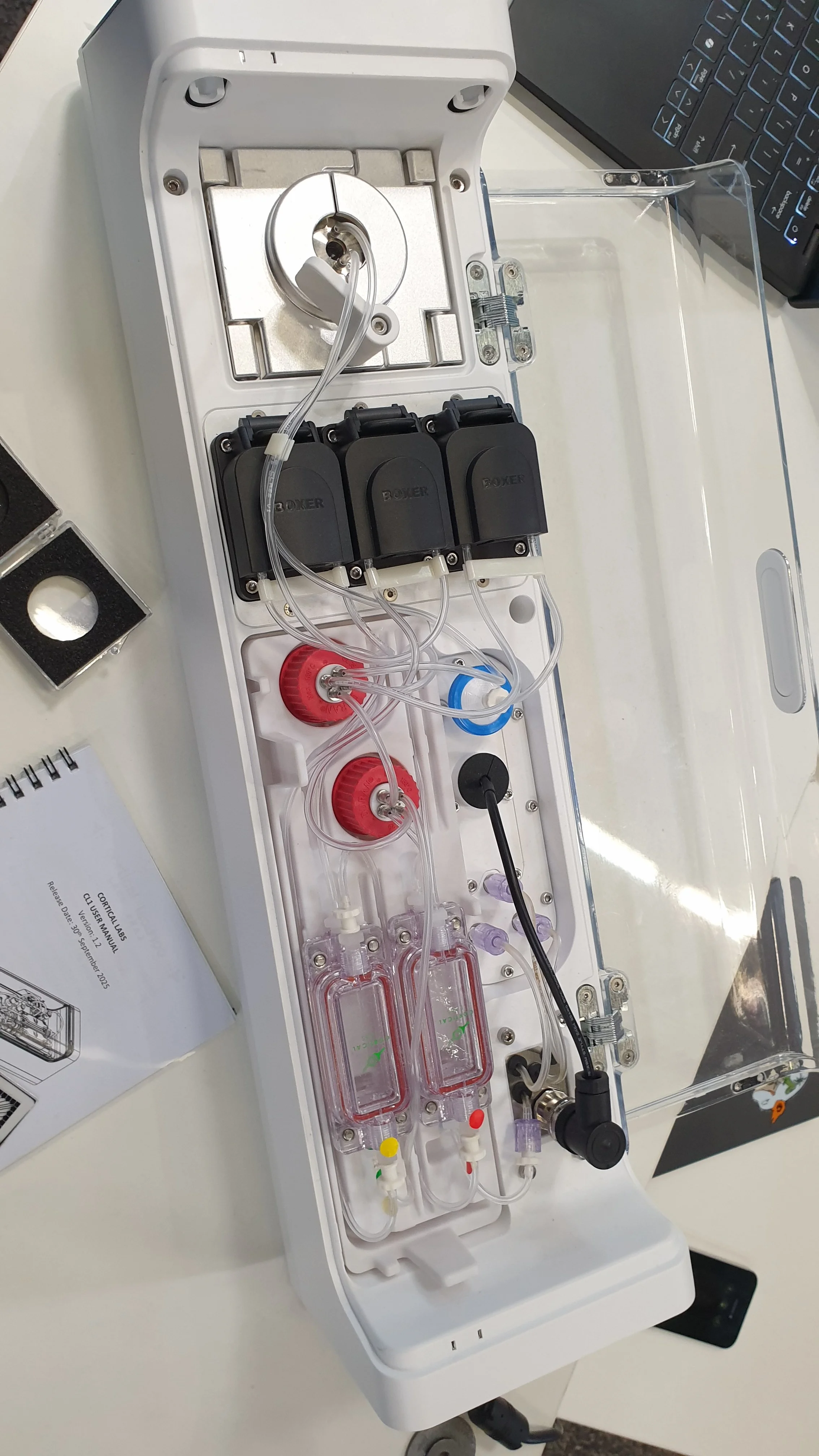
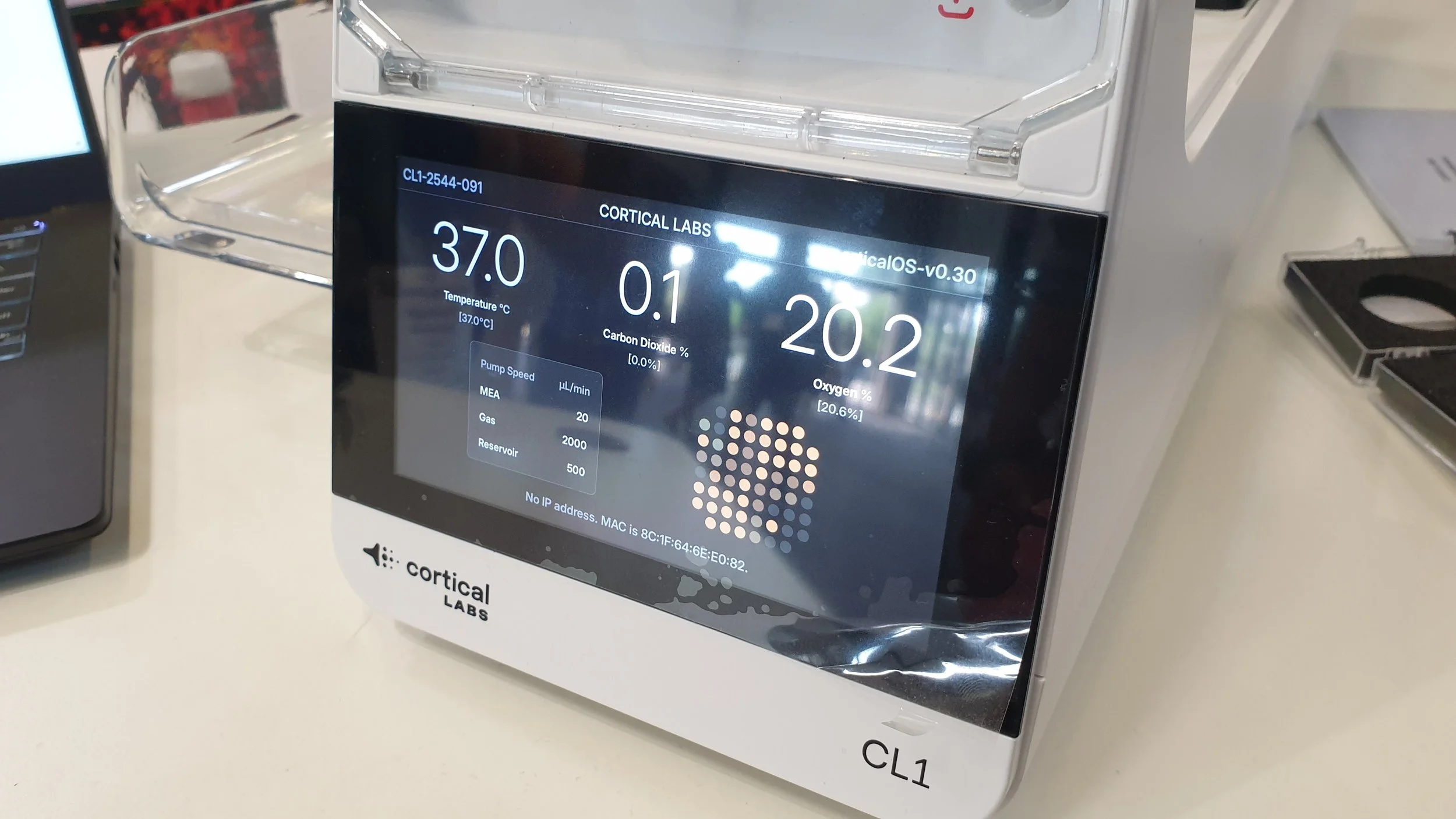
This is Cortical Labs, the scientists who famously trained living neurons to play the classic game Doom 1 (1993). They also gave a very interesting talk at Brainhack. I spoke with them, and they answered all of my questions. Living neurons are placed on a microarray and connected to a computer, which rapidly alternates between reading signals from the neurons and sending inputs back to them. This process enables communication between the neurons on the microarray and the computer. The system costs approximately $30,000.
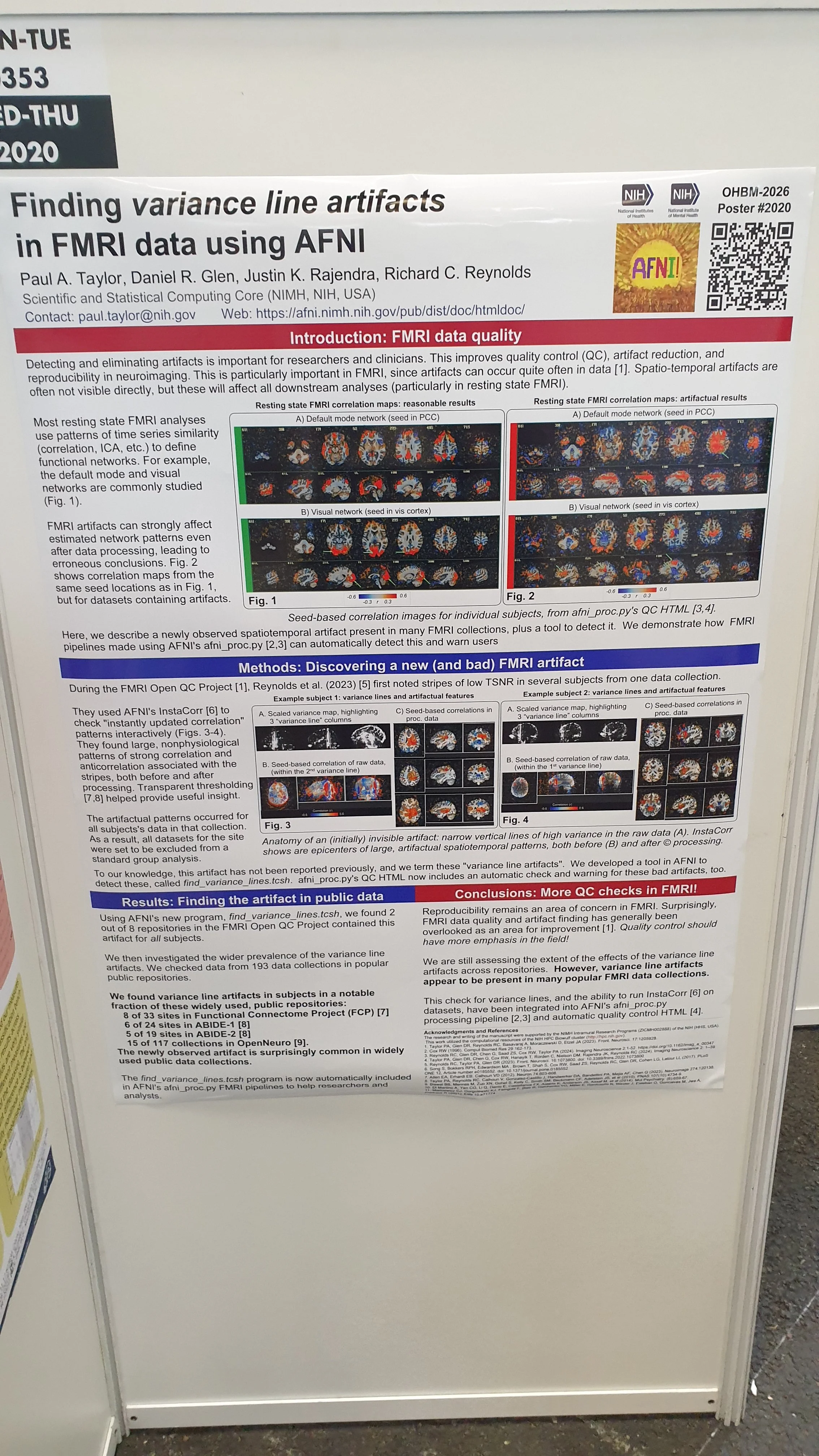
Another poster from the AFNI group highlighted the importance of improved quality control in fMRI analysis.
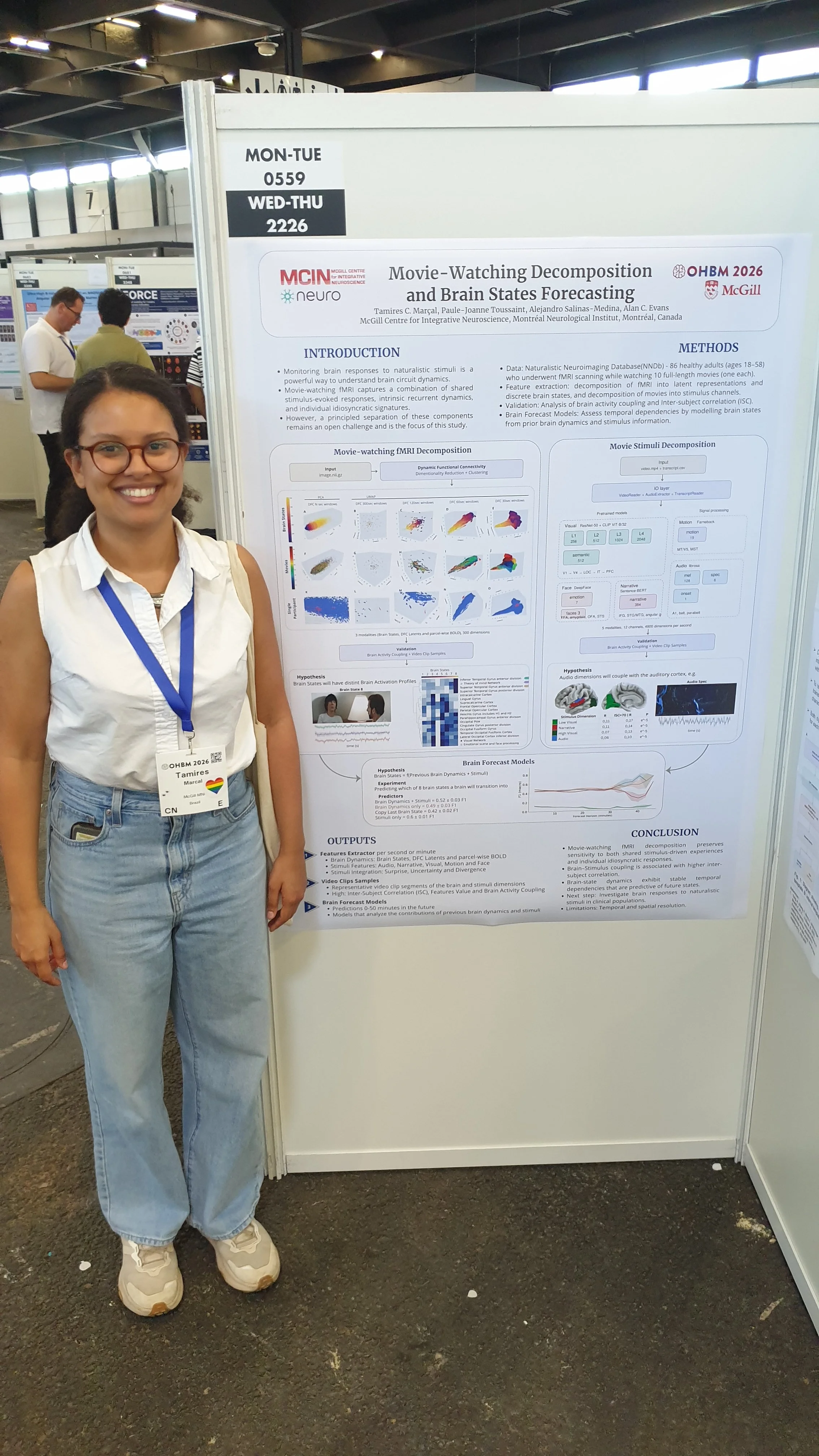
Tamires Marçal (Montreal Neurological Institute, Canada) presented a very interesting poster in which she analyzed the movie stimulus itself within an fMRI study and linked specific movie features to patterns of brain dynamics
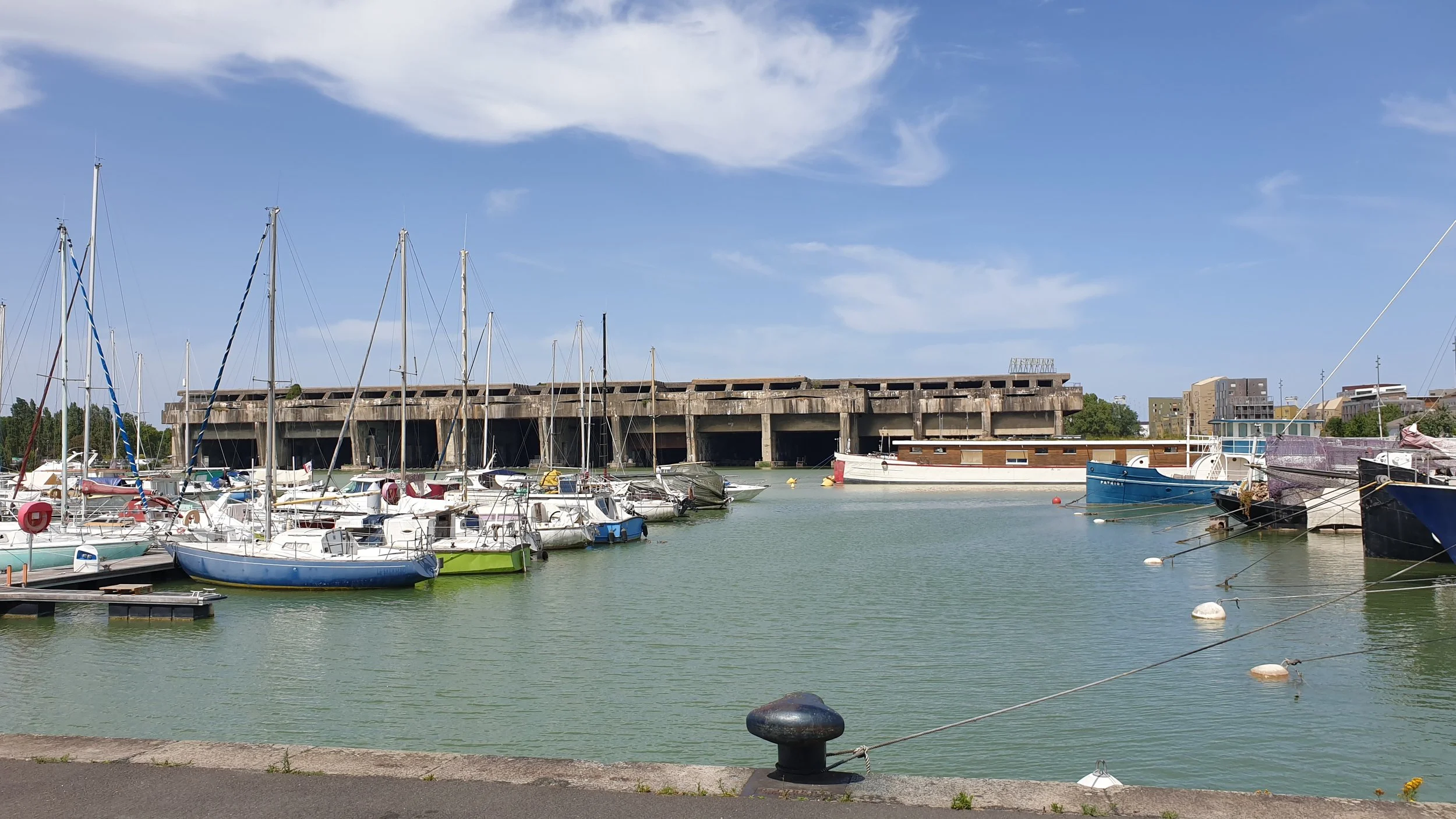
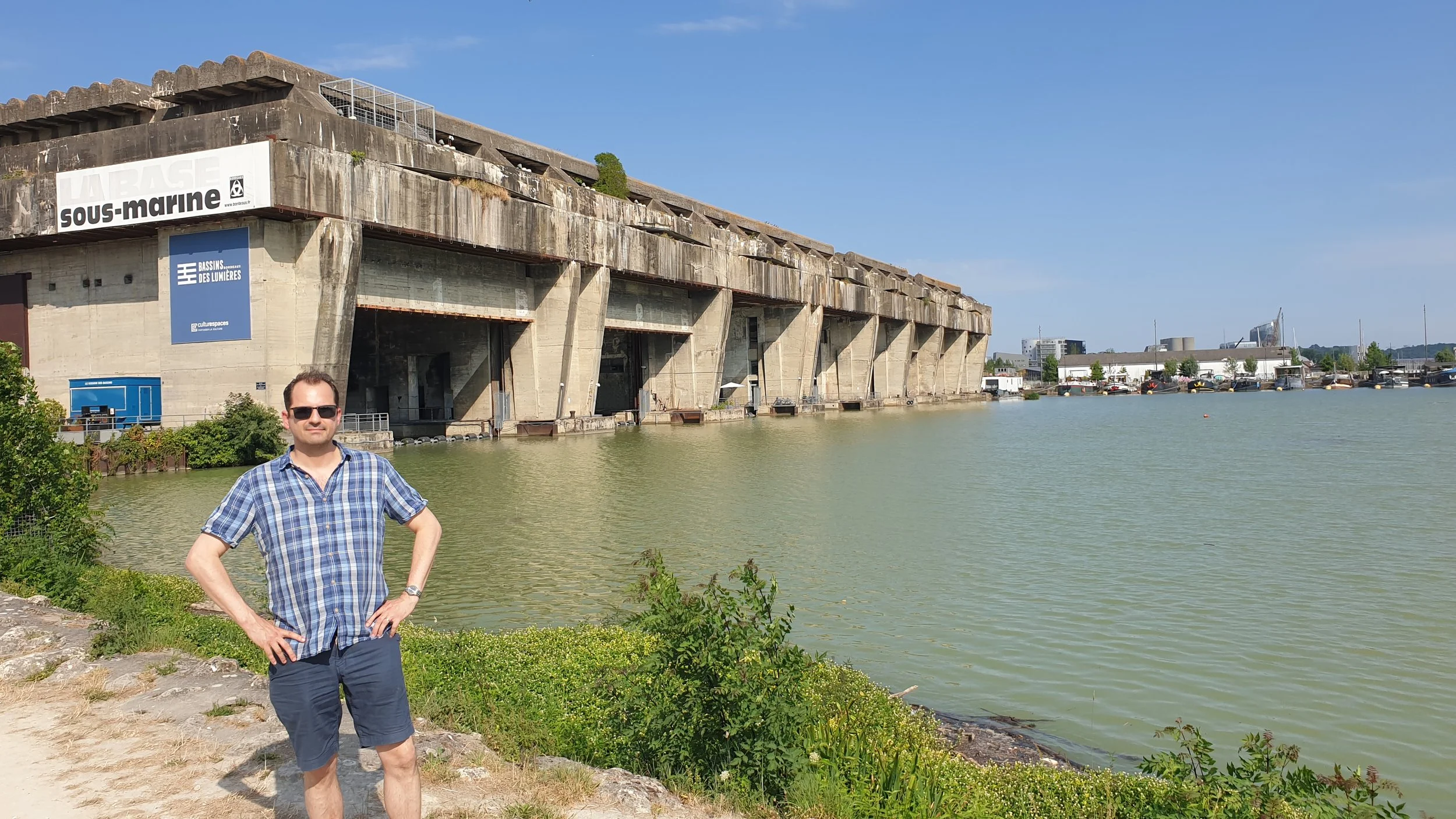
We also found some time for sightseeing. The first image below shows the German submarine bunker in Bordeaux, which was built during World War II. The German Navy stationed several Type VII submarines there during the war. The structure was built on such a massive scale that demolition attempts after the war were unsuccessful. As a result, the bunker remains standing to this day
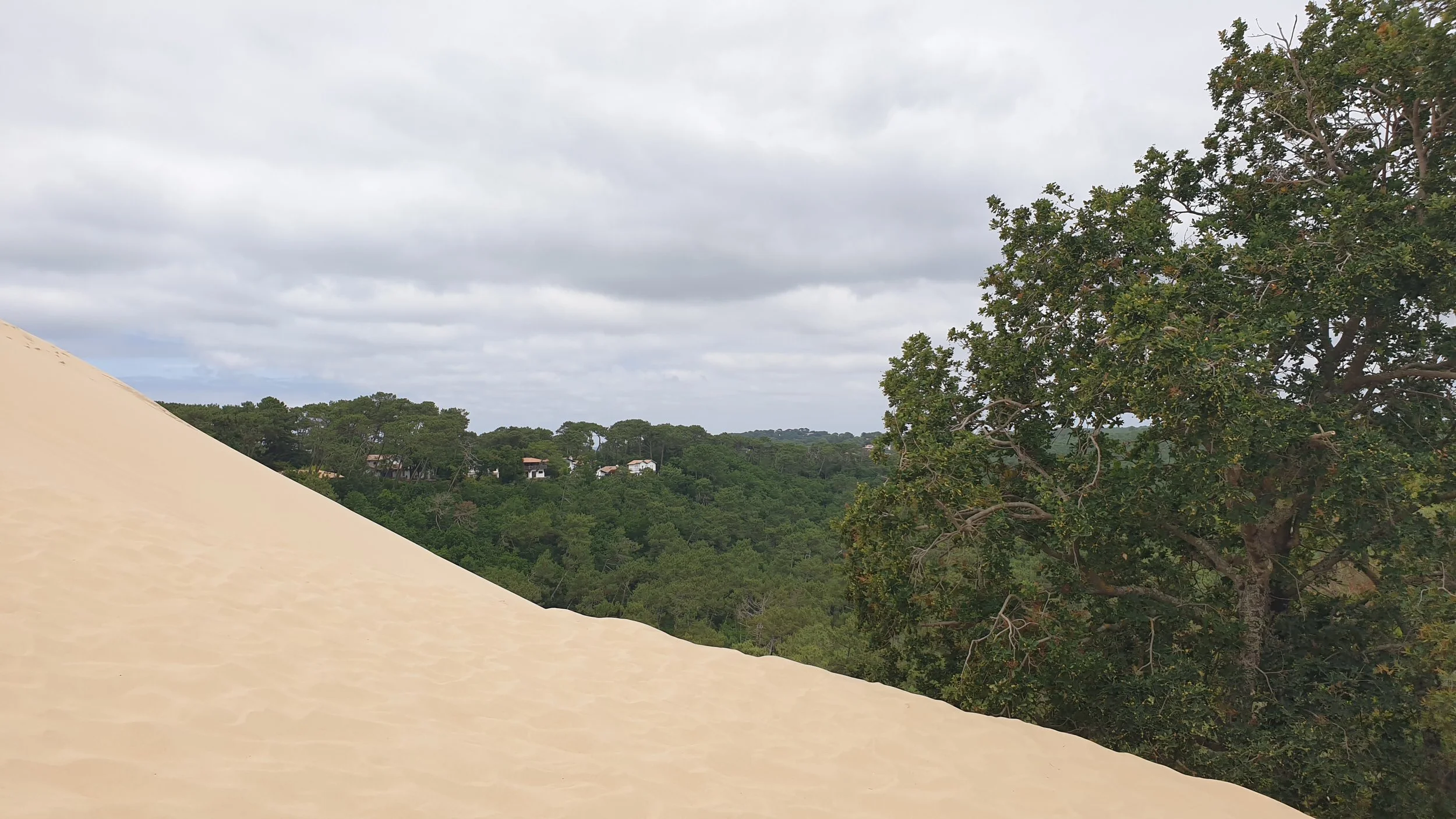
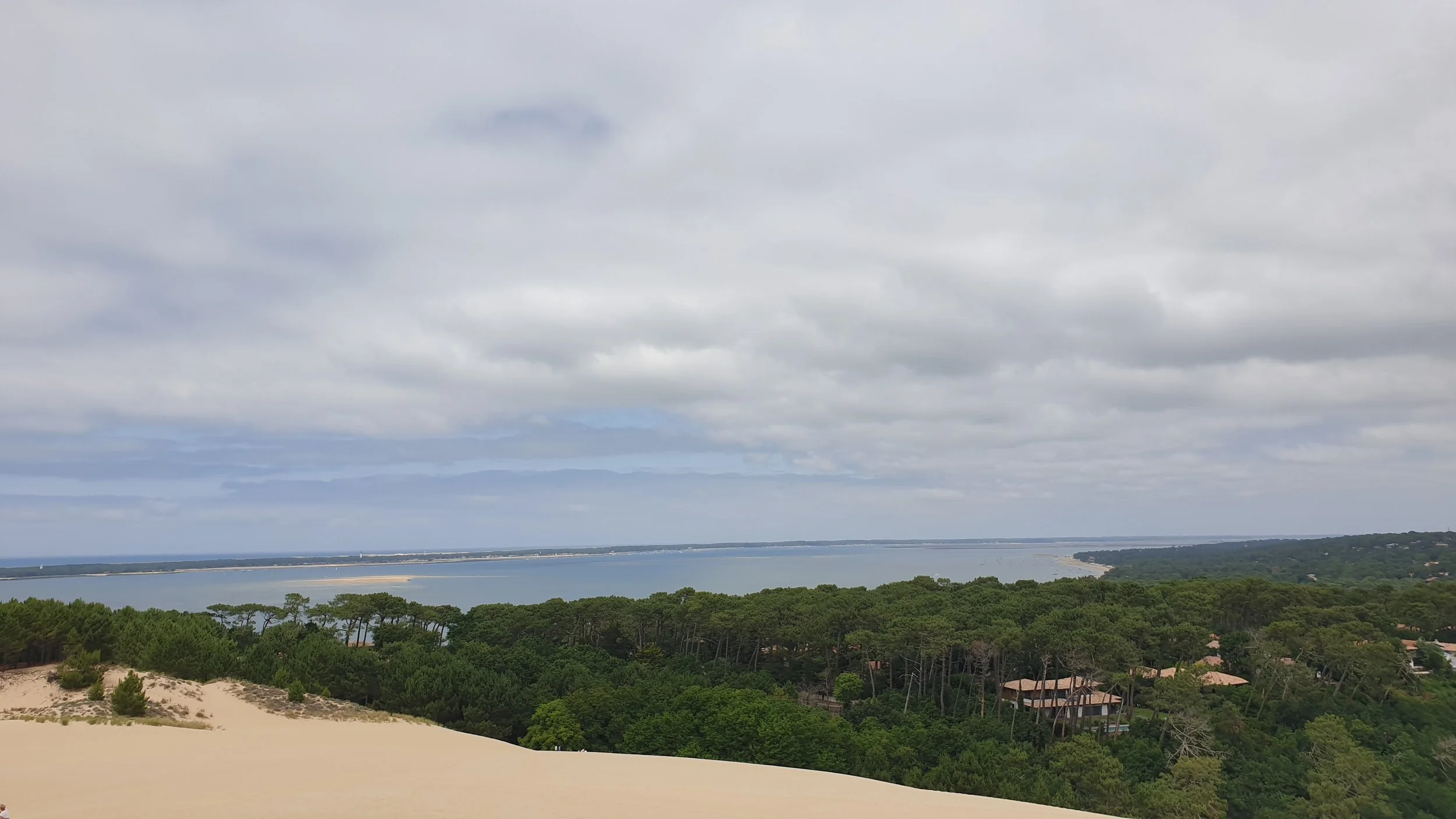
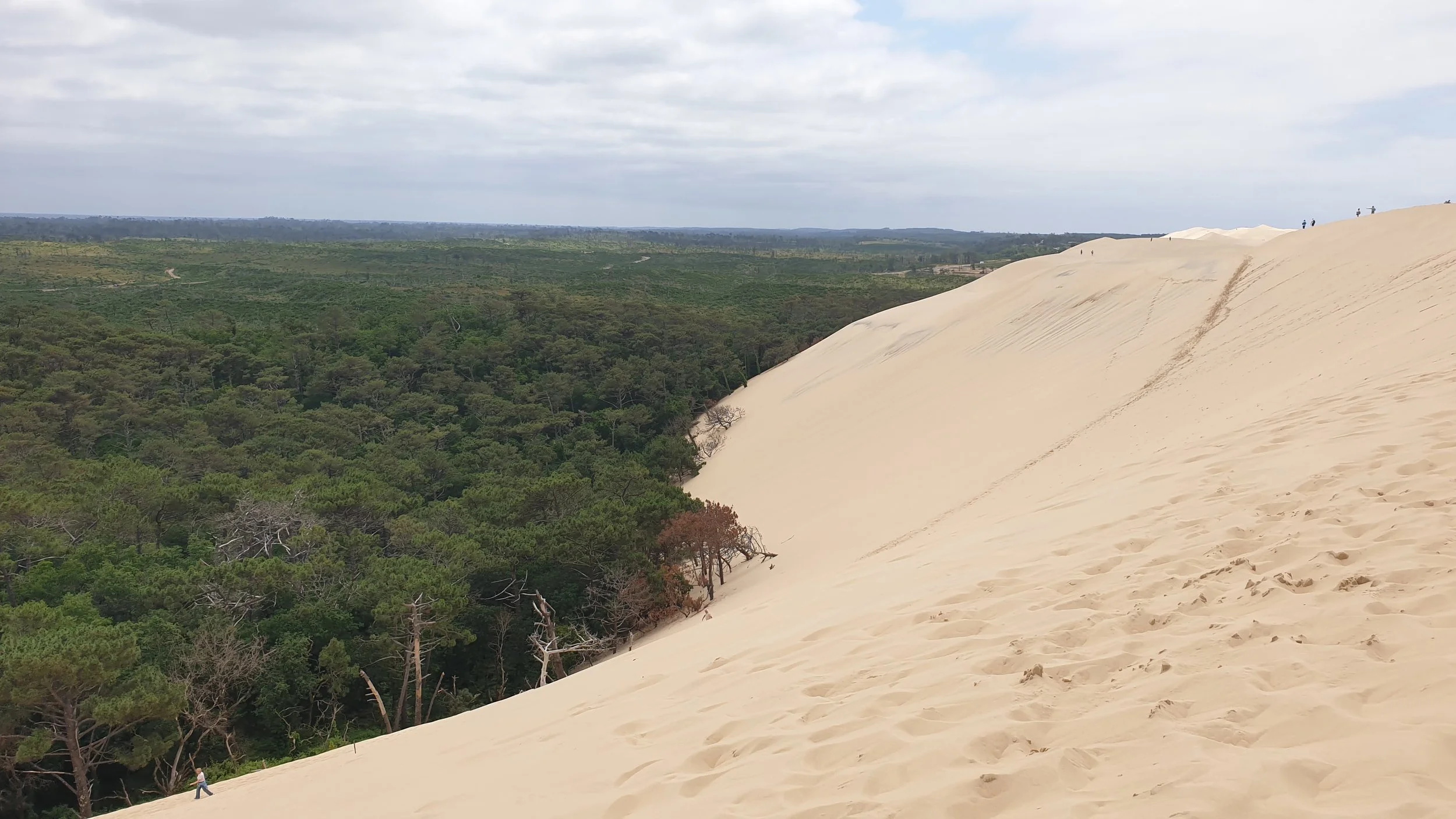
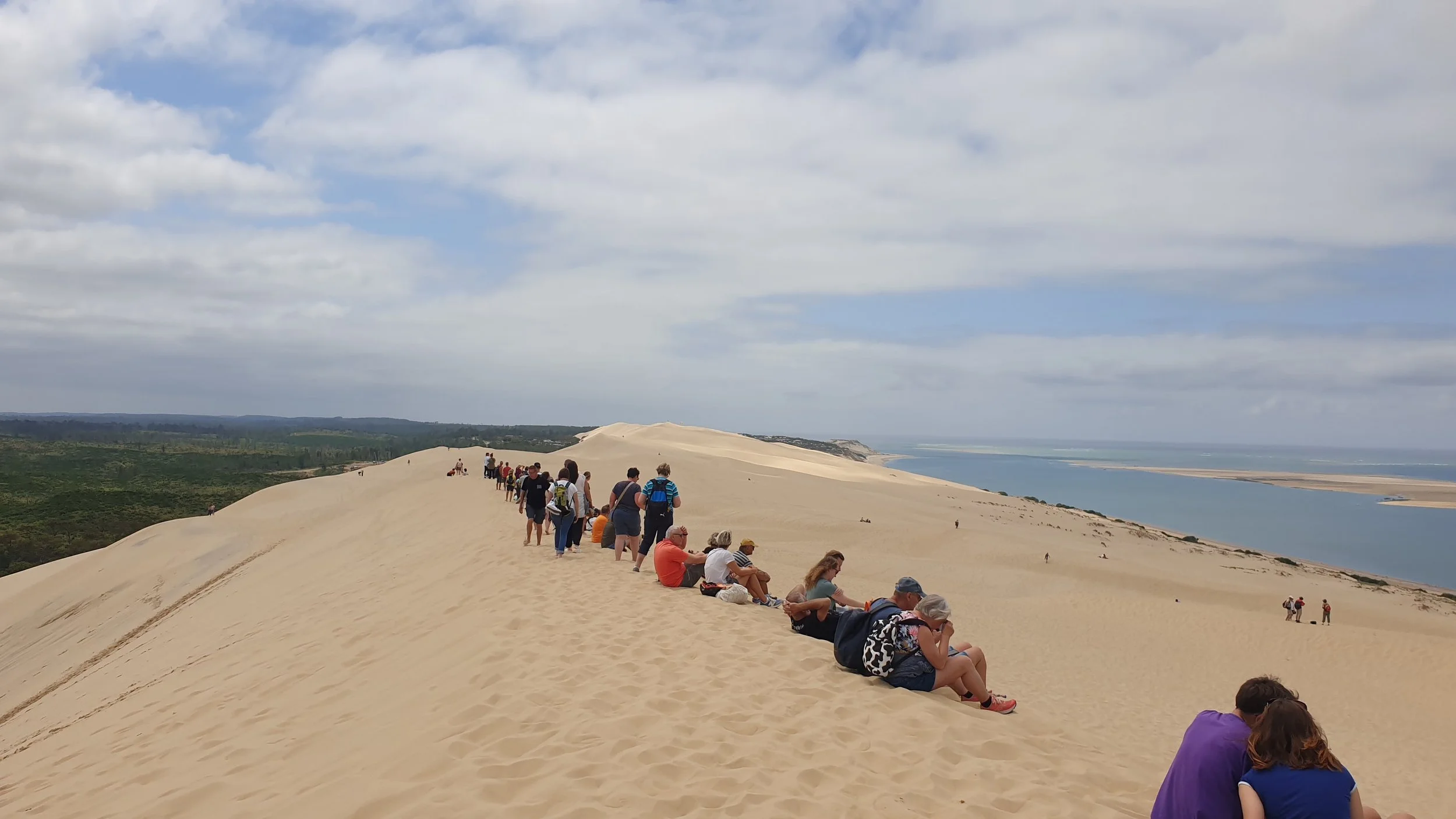
Furthermore, we visited the Atlantic coast west of Bordeaux. There, we climbed the famous shifting sand dune, which is continuously reshaped by wind and weather.
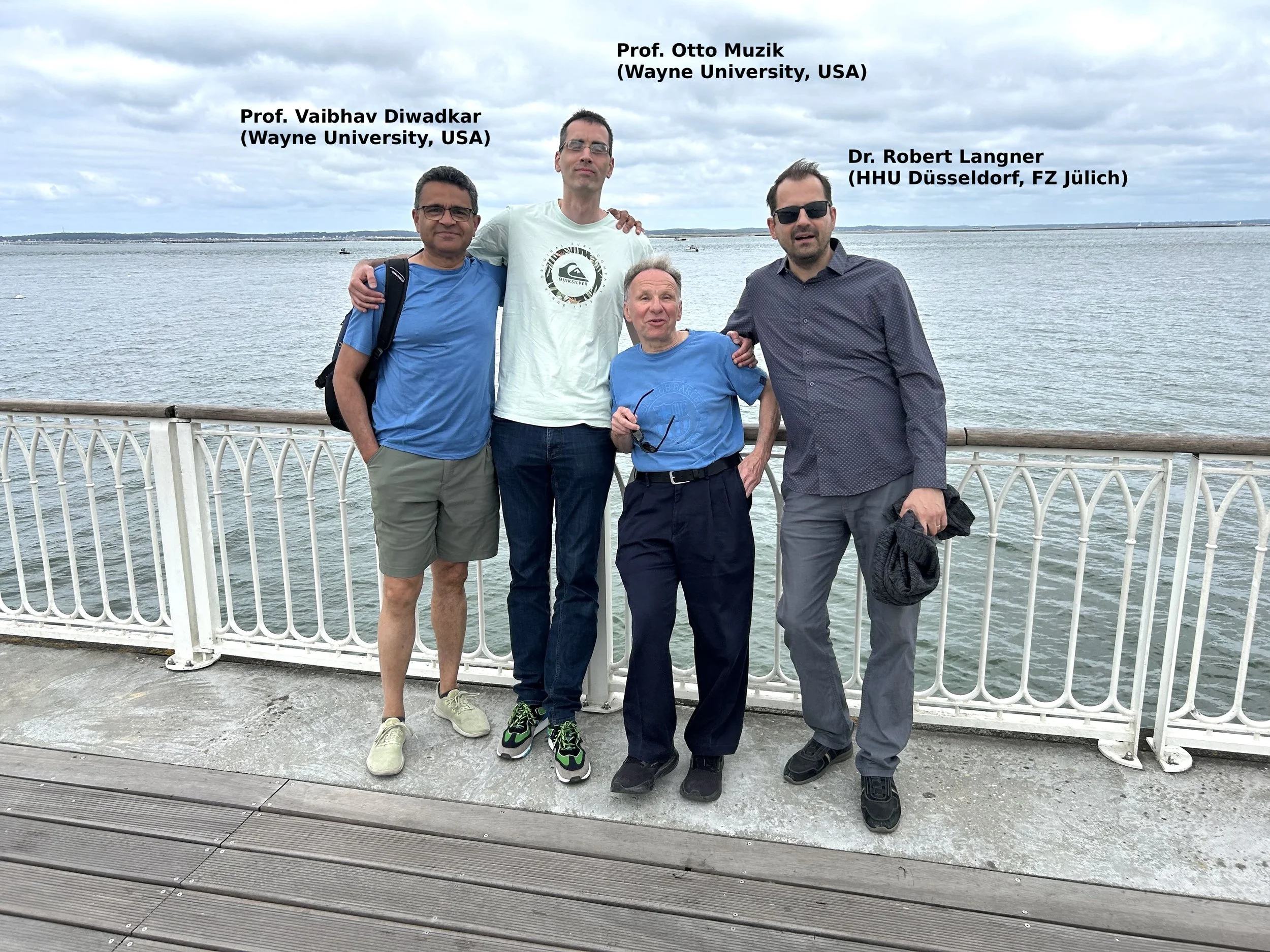
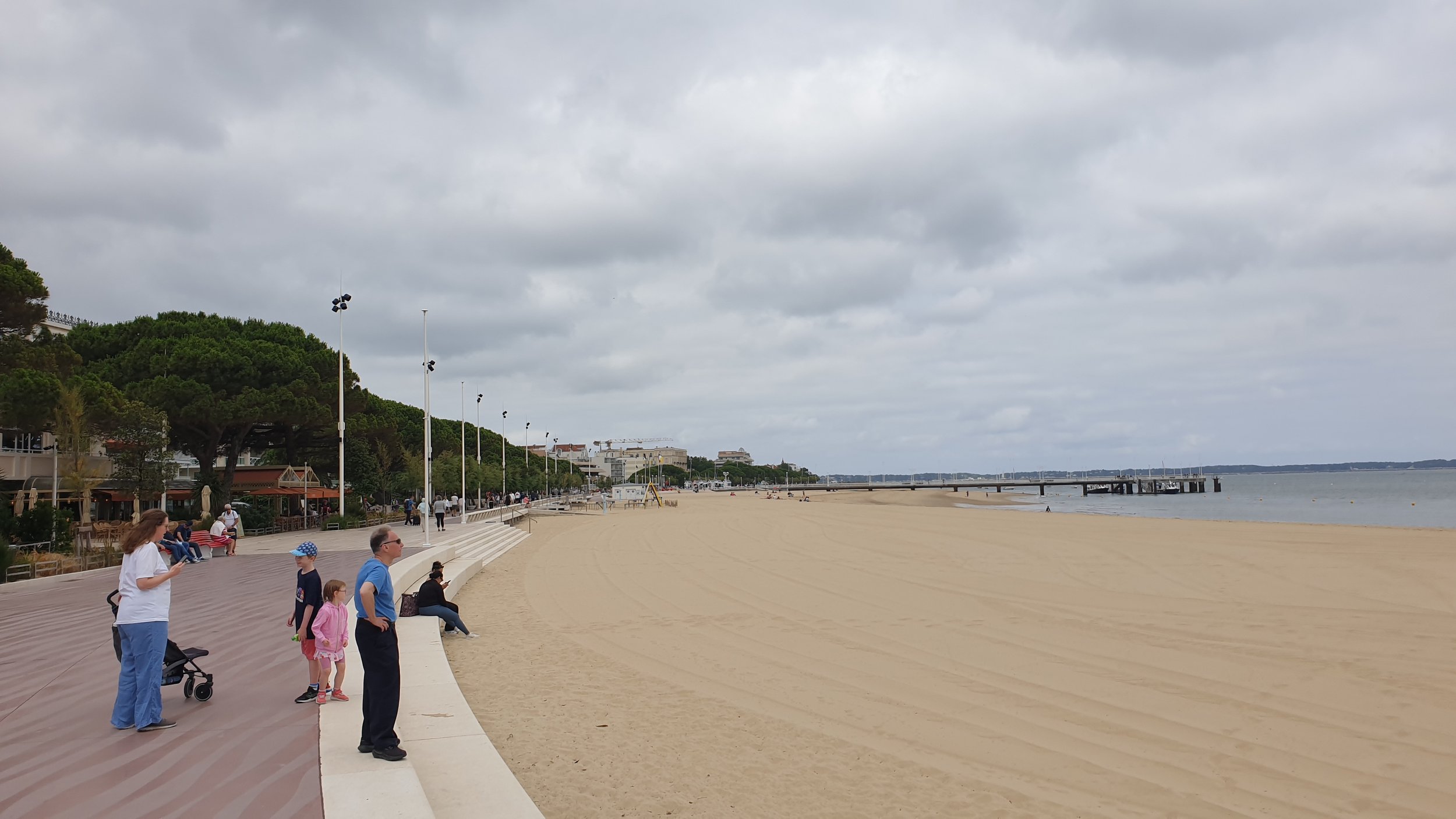
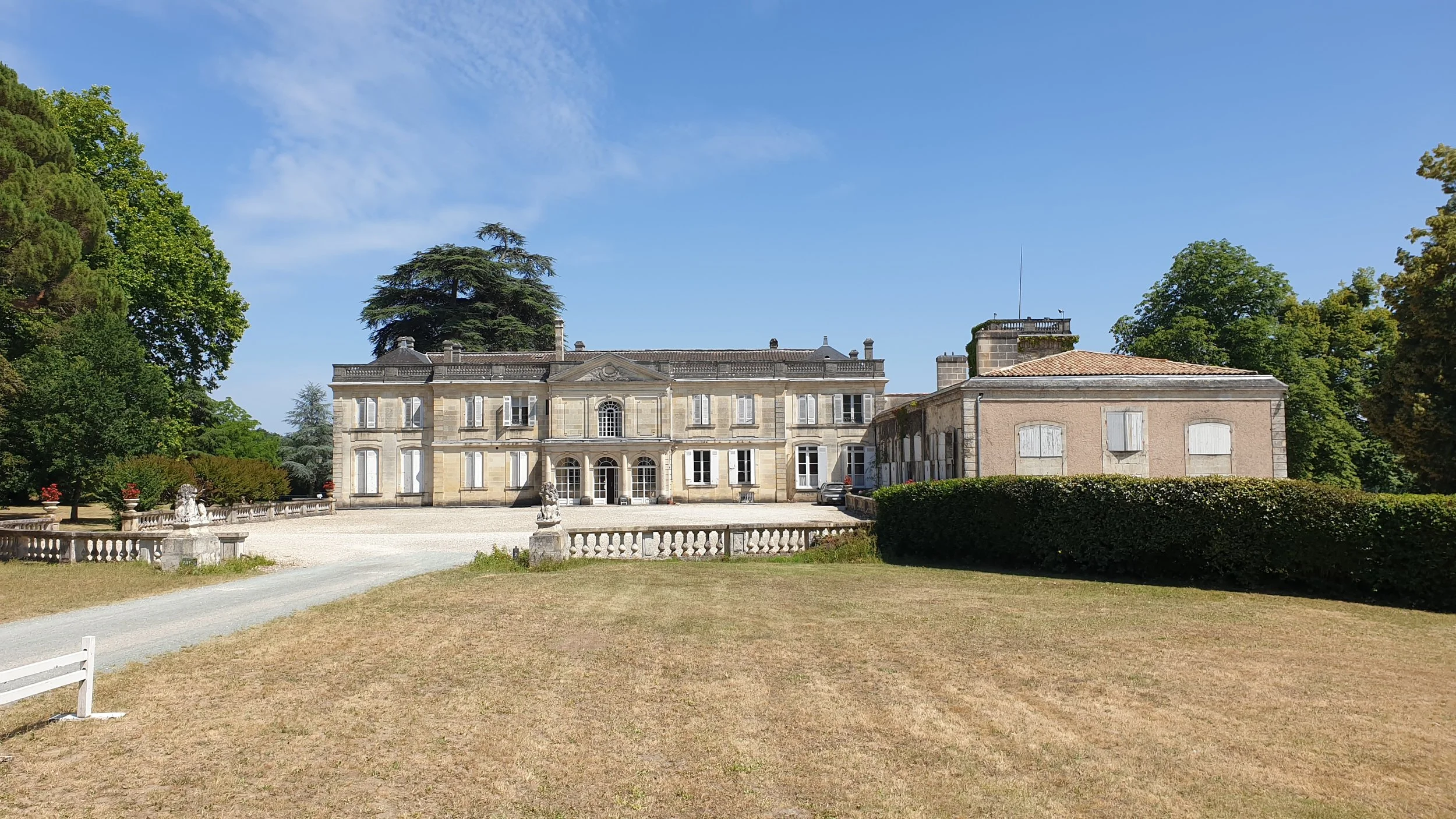
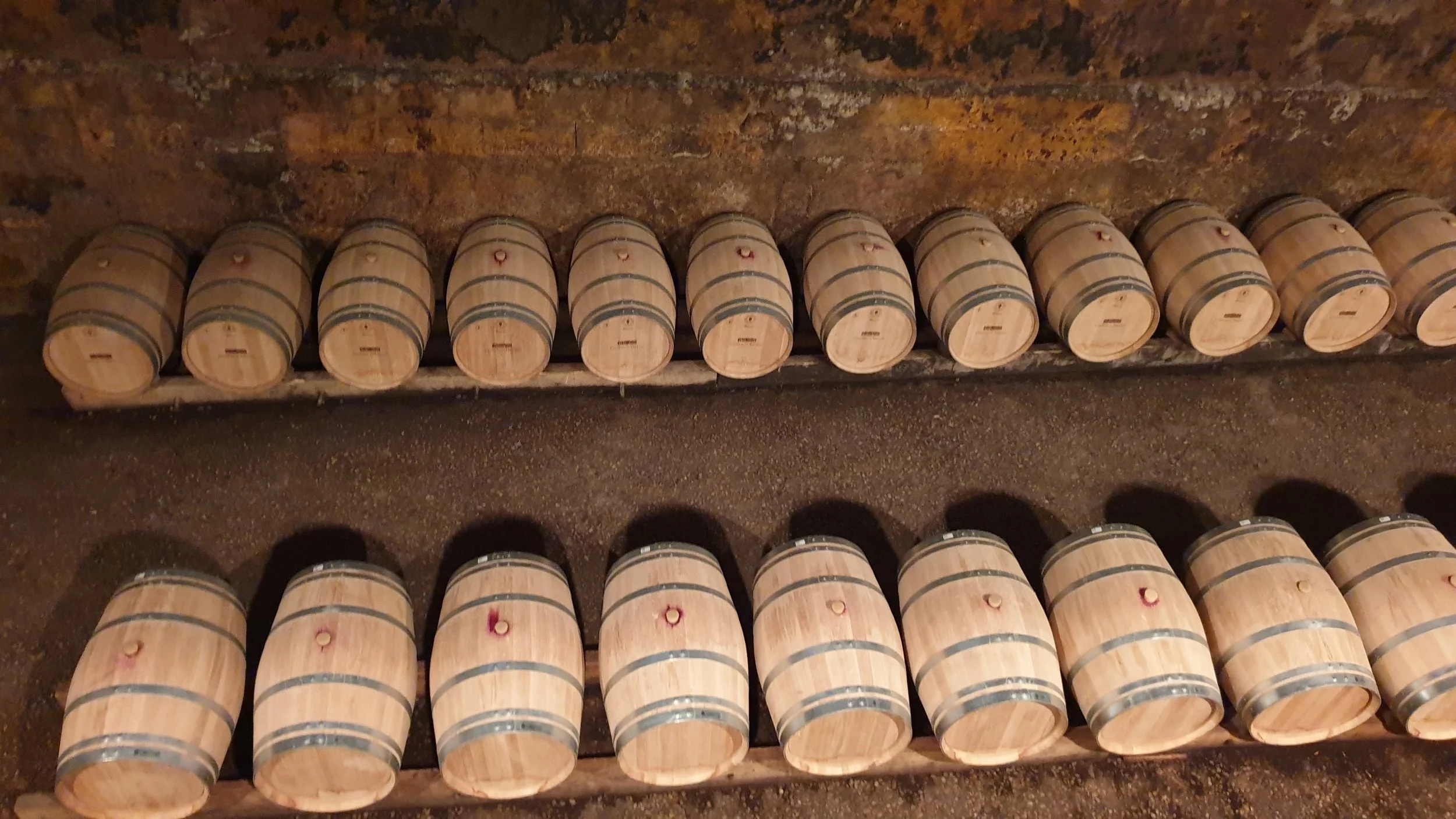
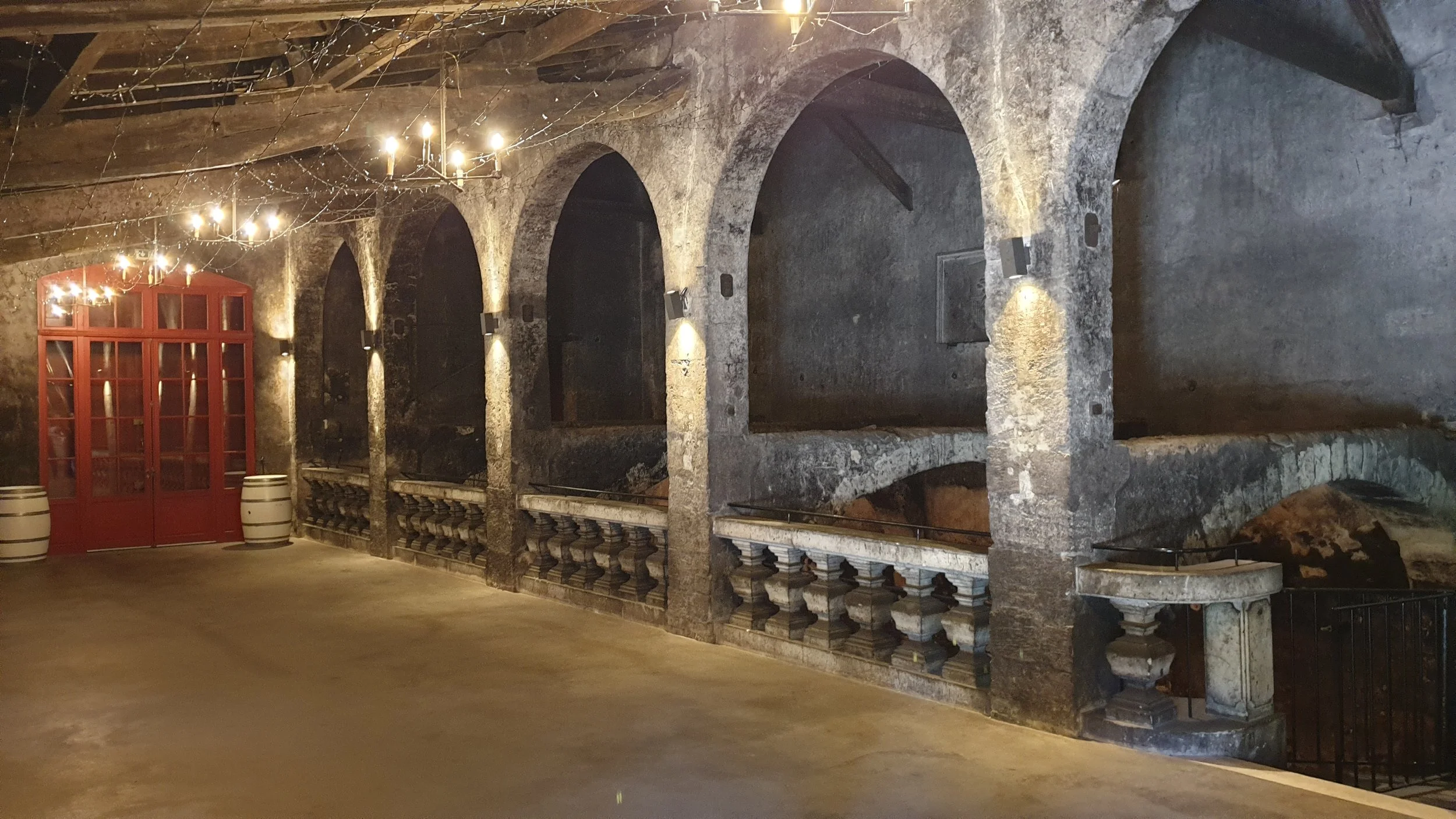
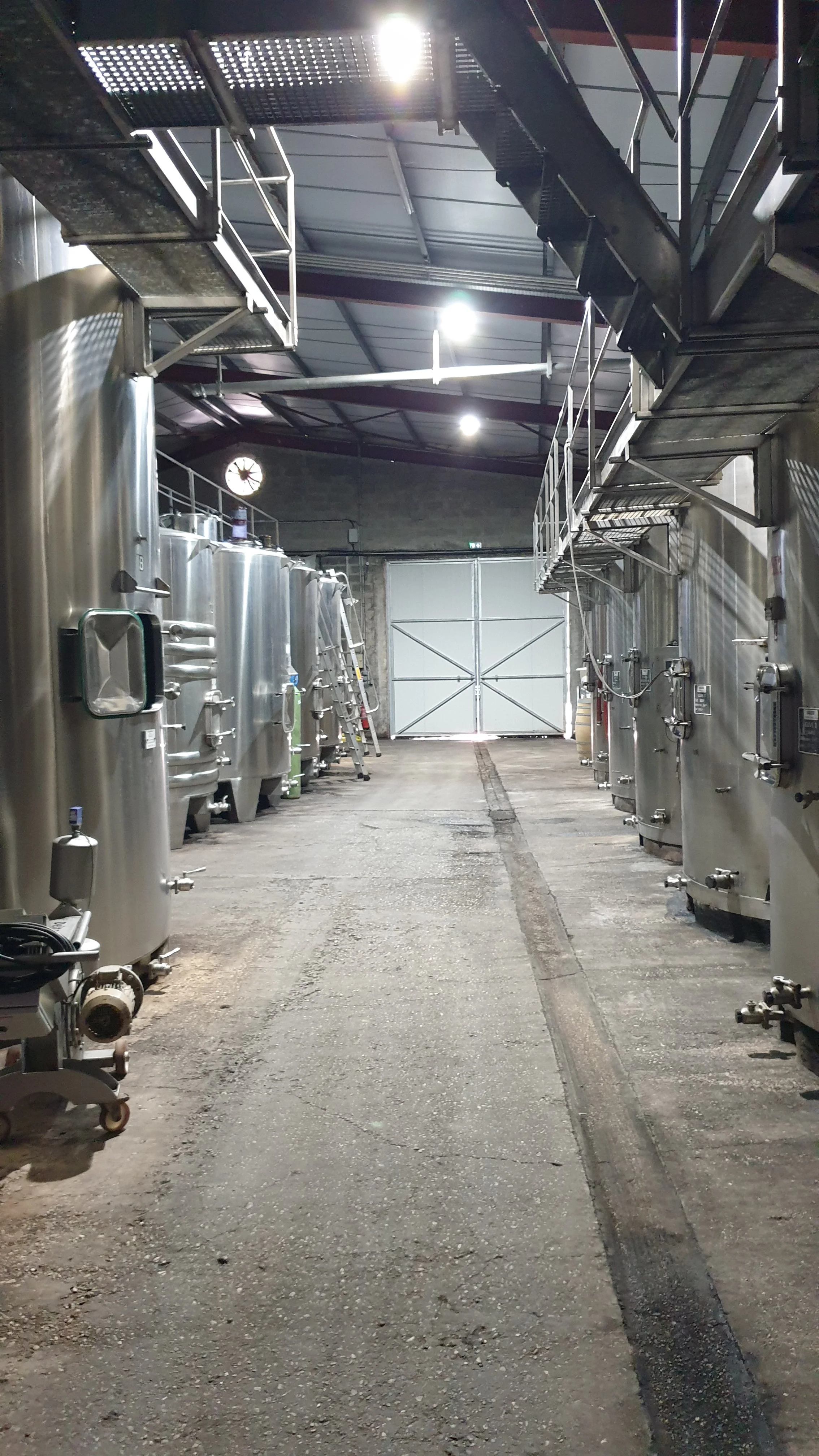
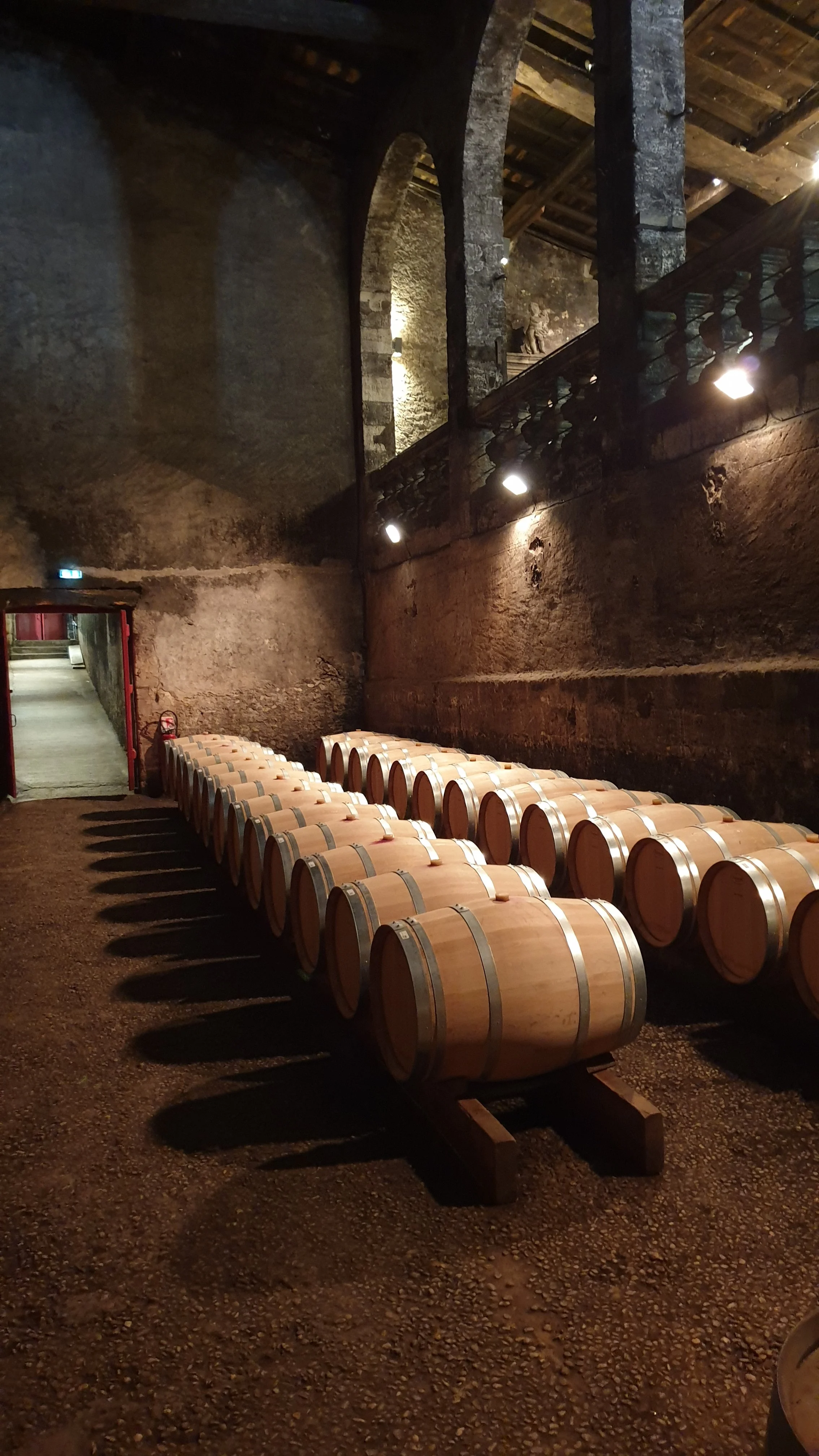
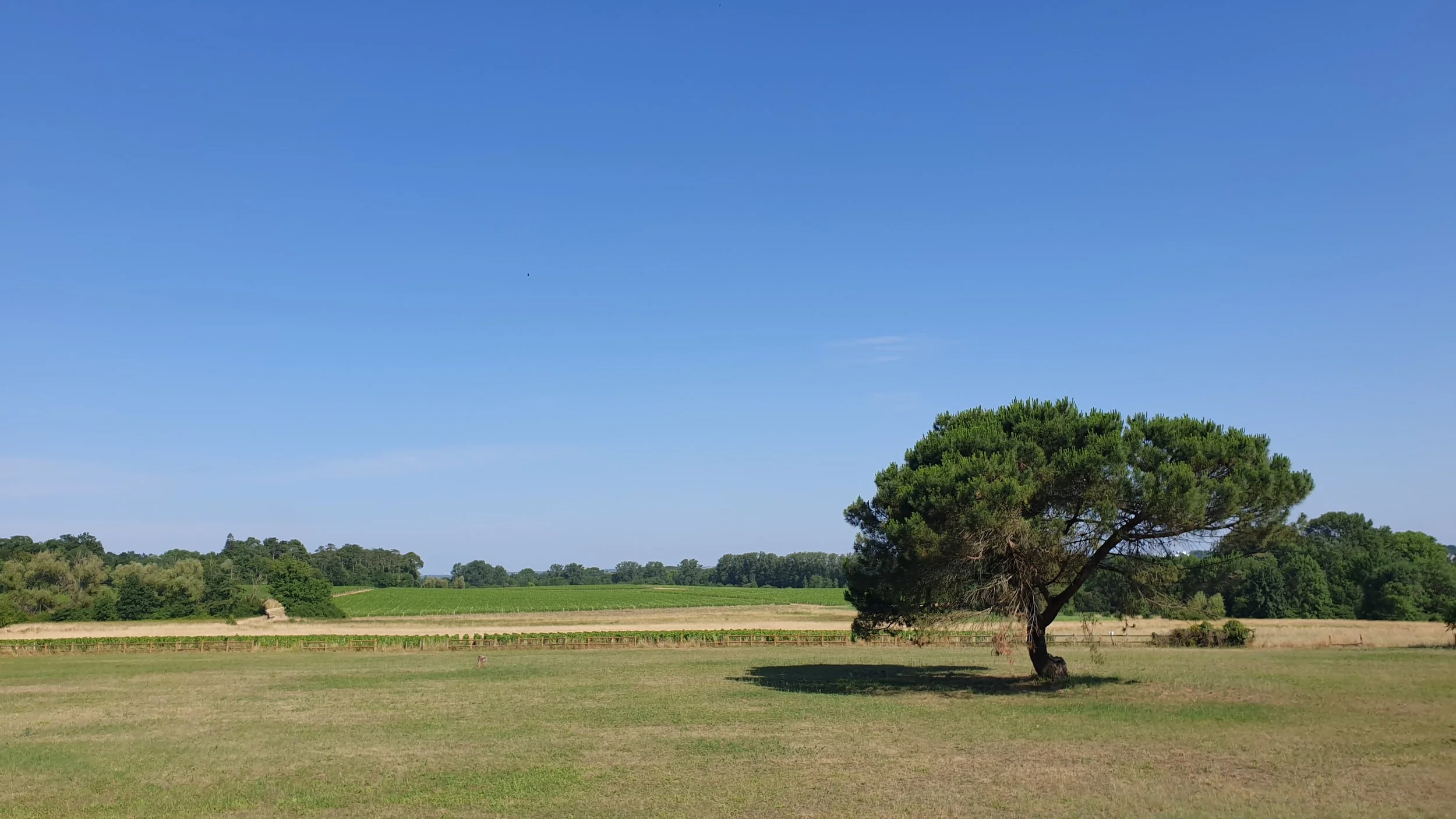
We also visited a local winery, where we learned about the wine-making process and the region’s renowned wine culture. Some impressions from this trip can be seen in the images below.
Overall, OHBM – and especially Brainhack – were nice and recommended events. The next Brainhack and OHBM meetings will take place in Toronto, Canada, in 2027.